Why can’t I have alcohol after cataract surgery?
After cataract surgery, you will receive advice to help your eye heal as quickly and safely as possible. One question many patients ask is, "Why can't I have alcohol after cataract surgery?"
For many people, avoiding alcohol for a short time is a small part of the recovery process. While having an occasional drink is unlikely to affect the artificial lens itself, alcohol can interfere with healing, hydration, and the medicines you may be using after surgery.
At My Eye Clinic in Gosforth, England, we want every patient to feel confident during their recovery. In this guide, we explain why alcohol is best avoided for a short period after cataract surgery and what you can do to support your healing.
What happens during cataract surgery?
Replacing the cloudy lens
A cataract forms when the natural lens inside the eye becomes cloudy. This can make your vision blurry, dull, or difficult to use for everyday tasks such as reading and driving.
During cataract surgery, your surgeon removes the cloudy lens and replaces it with a clear artificial lens called an intraocular lens, or IOL.
The new lens stays inside your eye permanently and cannot develop another cataract.
A quick procedure
Cataract surgery is usually completed in around 20 to 30 minutes. Most patients return home on the same day.
Although the surgery is quick, your eye still needs time to recover.
Why should you avoid alcohol after cataract surgery?
Your eye needs time to heal
After surgery, your eye begins repairing itself.
Even though the incision is very small, healing still takes place over several weeks.
Avoiding alcohol for the first few days gives your body the best chance to recover without unnecessary strain.
Alcohol can cause dehydration
One of the main reasons to avoid alcohol is that it can cause dehydration.
Your body needs enough water to support healing after any surgery, including cataract surgery.
Being well hydrated also helps keep your eyes comfortable during recovery.
Alcohol may increase dry eye symptoms
Many people experience mild dry eyes after cataract surgery.
Alcohol may make this worse because it can reduce the body's hydration levels.
Dry eyes may cause discomfort, blurred vision, or a gritty feeling while your eye heals.
Drinking plenty of water instead of alcohol can help you stay hydrated during recovery.
Can alcohol affect your medicines?
It may interact with medication
After cataract surgery, you will usually be prescribed eye drops to reduce inflammation and help prevent infection.
Some patients may also be taking pain relief or other medicines.
Alcohol can sometimes interact with certain medications, making them less effective or increasing side effects.
If you are unsure, it is always best to ask your surgeon or pharmacist before drinking alcohol.
Following instructions is important
Your surgeon will explain how to use your eye drops and when to take any prescribed medicines.
Following these instructions carefully helps support a smooth recovery.
How long should you avoid alcohol?
Everyone heals differently
There is no single rule that applies to every patient.
Many surgeons recommend avoiding alcohol for at least the first 24 to 48 hours after surgery.
Some patients may be advised to wait longer depending on their health and recovery.
Always follow the advice given by your own eye surgeon.
Listen to your body
If you still feel tired or your vision is adjusting after surgery, giving your body more time before drinking alcohol may be sensible.
Your recovery is unique, and there is no benefit to rushing back to normal habits.
What should you do instead?
Stay hydrated
Water is one of the best drinks during recovery.
Keeping your body hydrated supports healing and may help reduce dry eye symptoms.
It can also help you feel more comfortable while your eye recovers.
Eat a healthy diet
A balanced diet provides your body with the nutrients it needs to heal.
Fresh fruit, vegetables, whole grains, and lean protein all support recovery and your general health.
Looking after your overall wellbeing also benefits your eyes.
What else should you avoid after cataract surgery?
Protect your healing eye
Your surgeon will give you instructions about activities to avoid while your eye heals.
For a short time, you may be advised not to rub your eye, swim, or do heavy lifting.
These precautions help protect your eye and reduce the risk of complications.
Use your eye drops
Your prescribed eye drops are an important part of recovery.
Using them exactly as directed helps reduce inflammation and lowers the risk of infection.
Even if your eye feels comfortable, continue using your drops for as long as your surgeon recommends.
What should you expect during recovery?
Vision often improves quickly
Many patients notice clearer vision within a few days of cataract surgery.
However, it is normal for vision to be slightly blurry at first while the eye settles.
Colours may appear brighter, and objects may seem clearer as healing continues.
Healing takes time
Although many people return to their normal routine quite quickly, complete healing usually takes several weeks.
Attending your follow-up appointments allows your surgeon to check that your eye is recovering as expected.
When should you contact your surgeon?
Know the warning signs
Most patients recover without any problems.
However, you should contact your eye clinic immediately if you experience severe pain, a sudden drop in vision, increasing redness, or flashes and floaters that appear suddenly.
These symptoms should always be assessed promptly.
Never ignore concerns
If something does not feel right during your recovery, it is always better to ask for advice.
Your eye care team would much rather answer your questions than have you worry at home.
Why choose My Eye Clinic?
Personalised care
At My Eye Clinic in Gosforth, we provide personalised care before, during, and after cataract surgery.
We take the time to explain every stage of treatment so you know what to expect throughout your recovery.
Supporting your recovery
Our experienced team is here to answer your questions and provide ongoing support after your procedure.
We believe that good aftercare is just as important as the surgery itself.
Take the next step
If you are considering cataract surgery or would like to learn more about your treatment options, take our suitability self test today.
It is a quick and easy way to find out whether you may be a suitable candidate for treatment. If you are suitable, our experienced team will be happy to discuss your options and answer any questions you may have.
Your best vision could still be ahead of you.
Find out if you are suitable for vision correction
Vision correction isn’t suitable for everyone.
The first step is to take the self test so you can find out whether you can benefit.
Our most popular procedures
What our patients say…
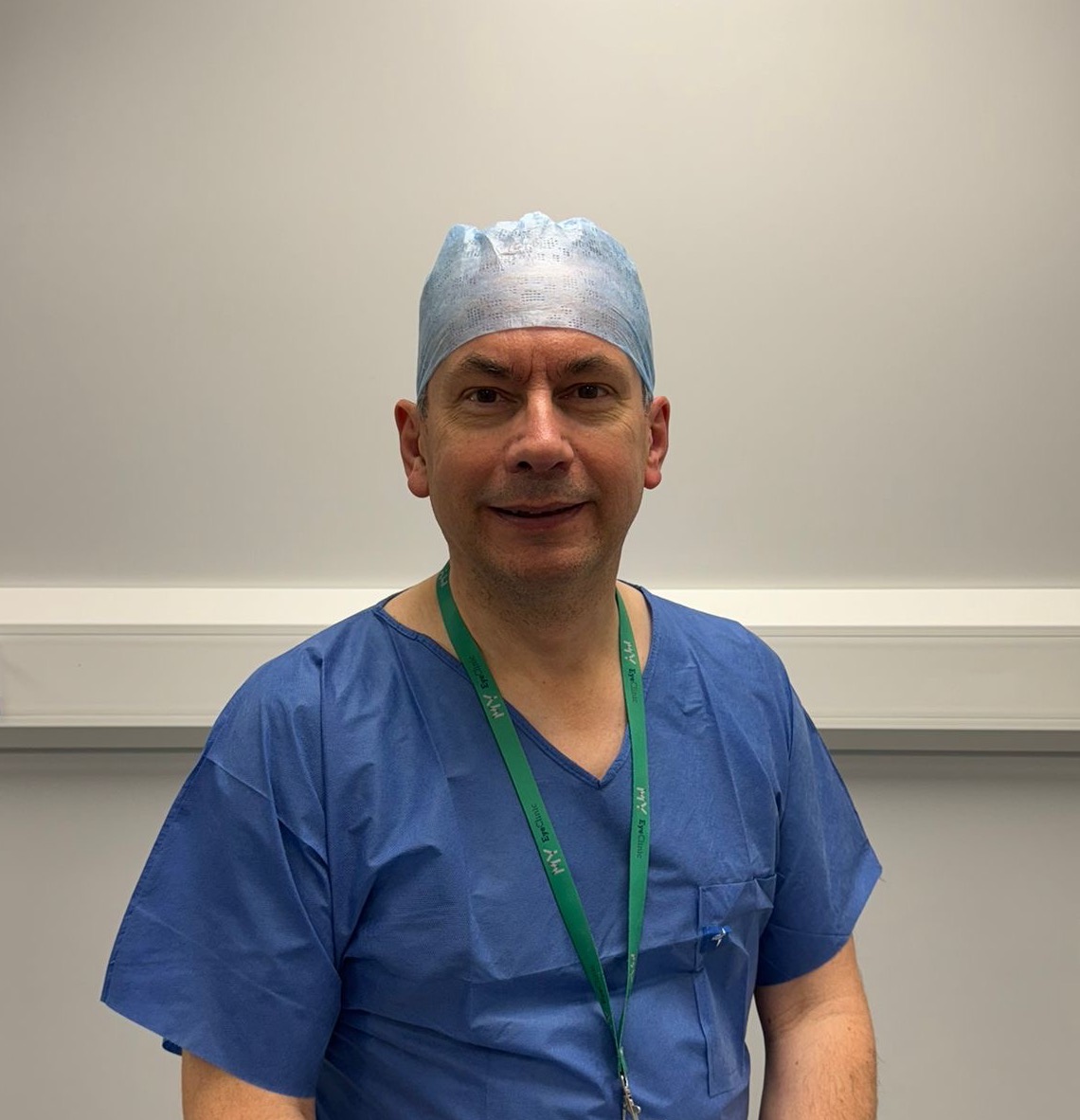
Hi, I’m Rob Boyce
After training as an engineer and research scientist, I pursued medicine at Nottingham University, followed by advanced ophthalmology training. With over 20 years as a Consultant Ophthalmologist specialising in Oculoplastic and Lacrimal Surgery, I’m committed to delivering the highest quality care at MY Eye Clinic, using cutting-edge techniques and patient-centred care.