
How long after cataract surgery can you bend over?
Cataract surgery is one of the most common eye procedures in the world. It can help improve cloudy vision and make everyday activities easier. After surgery, many people have questions about recovery. One of the most common questions is, “How long after cataract surgery can you bend over?”
At My Eye Clinic in Gosforth, England, we know that recovery advice can sometimes feel confusing. The good news is that most people recover quickly after cataract surgery. However, it is important to give your eye time to heal properly.
In this guide, we will explain why bending over can be a concern after surgery and when it is usually safe to return to normal activities.
Why does bending over matter after cataract surgery?
Your eye begins healing as soon as surgery is complete. During the first few days and weeks, the eye is more sensitive than usual.
When you bend over, pressure inside the eye can temporarily increase. While a small amount of pressure is not usually harmful, your surgeon may recommend avoiding excessive bending during the early stages of recovery.
The goal is to help your eye heal comfortably and reduce the chance of irritation.
The first few days are important
The first few days after surgery are often the most important part of recovery. During this time, your eye is adjusting to the new lens and beginning the healing process.
You may be advised to avoid activities that put unnecessary strain on your body, including repeated bending, heavy lifting, and vigorous exercise.
Following these instructions can support a smooth recovery.
How long should you avoid bending over?
Every patient is different
There is no single answer that applies to everyone. Recovery advice can vary depending on your eye health and the details of your surgery.
Many people are advised to avoid excessive bending for at least the first few days after cataract surgery.
Your surgeon will give you personalised advice based on your situation.
Gentle movements are usually fine
Normal daily movements are often not a problem. For example, briefly bending to sit in a chair or pick up a lightweight item may be acceptable.
However, repeatedly bending down for long periods may not be recommended during the early stages of healing.
If you are unsure, it is always best to follow the guidance provided by your eye care team.
What activities involve bending?
Many everyday tasks involve bending without us thinking about it.
Household chores
Cleaning, vacuuming, gardening, and making beds often require frequent bending.
You may want to ask for help with these activities during the first few days after surgery.
Giving your eye time to recover can make the healing process easier.
Lifting objects from the floor
If you need to pick something up, your surgeon may suggest bending your knees rather than bending at the waist.
This can help reduce pressure and strain while your eye heals.
What other activities should be avoided?
Heavy lifting
Heavy lifting can increase pressure in the body and the eyes. For this reason, it is often recommended that patients avoid lifting heavy objects during the early recovery period.
This includes lifting heavy shopping bags, moving furniture, or carrying large loads.
Strenuous exercise
High-impact exercise and intense workouts may also need to wait until your surgeon says it is safe.
Walking is often encouraged because it is a gentle way to stay active while recovering.
What happens if you accidentally bend over?
Do not panic
Many people accidentally bend over after cataract surgery. In most cases, a brief movement will not cause a problem.
The important thing is not to panic.
If you feel fine and your vision has not changed, there is usually no reason to worry.
Watch for unusual symptoms
If you notice severe pain, a sudden drop in vision, or anything that concerns you, contact your clinic for advice.
These symptoms are uncommon, but it is always best to seek professional guidance if you are worried.
How long does cataract surgery recovery take?
Early healing happens quickly
Most people notice improvements in their vision within a few days of surgery.
Colours may appear brighter and details may look sharper.
The eye often feels more comfortable as healing progresses.
Full recovery takes longer
Although vision can improve quickly, complete healing usually takes several weeks.
During this time, it is important to use your eye drops as directed and attend follow-up appointments.
These visits allow your surgeon to check that your eye is healing properly.
How can you support healing after surgery?
Follow your instructions carefully
The best way to support recovery is to follow the advice provided by your clinic.
Your aftercare instructions are designed to help protect your eye and reduce the risk of complications.
Even if your eye feels good, it is important to continue following these recommendations.
Use your eye drops
Eye drops play an important role in recovery. They help reduce inflammation and lower the risk of infection.
Using them correctly can support a smooth healing process.
When can you return to normal activities?
Recovery is usually gradual
Most people can slowly return to their normal routines over the weeks following surgery.
As your eye heals, activities such as bending, exercising, and lifting may become easier.
Your surgeon will let you know when it is safe to resume these activities.
Listen to your body
If an activity causes discomfort, it may be a sign that you need a little more time to recover.
Taking things slowly can help you feel more comfortable and confident during healing.
What are the benefits of following recovery advice?
Supporting the healing process
Recovery instructions are designed to give your eye the best chance to heal well.
Avoiding unnecessary strain during the first few days and weeks can help protect your eye.
Feeling confident after surgery
Many people find that following their aftercare plan gives them peace of mind.
Knowing you are doing everything possible to support healing can make the recovery experience feel less stressful.
When should you contact your clinic?
If you have concerns
If you are unsure about an activity or have questions about recovery, it is always best to contact your clinic.
Your eye care team can provide advice that is specific to your situation.
If symptoms change suddenly
While cataract surgery is very safe, you should seek medical advice if you experience severe pain, sudden vision loss, increasing redness, or other unusual symptoms.
Prompt attention can help ensure the best outcome.
Take the next step
If cataracts are affecting your vision, treatment may help you enjoy clearer sight and greater confidence in everyday life.
Take our suitability self test today. It is quick and easy to complete. It can help you find out whether you may be a suitable candidate for cataract treatment.
At My Eye Clinic in Gosforth, England, we are here to support you through every stage of your cataract journey, from your first consultation to your recovery and beyond.
Find out if you are suitable for vision correction
Vision correction isn’t suitable for everyone.
The first step is to take the self test so you can find out whether you can benefit.
Our most popular procedures
What our patients say…
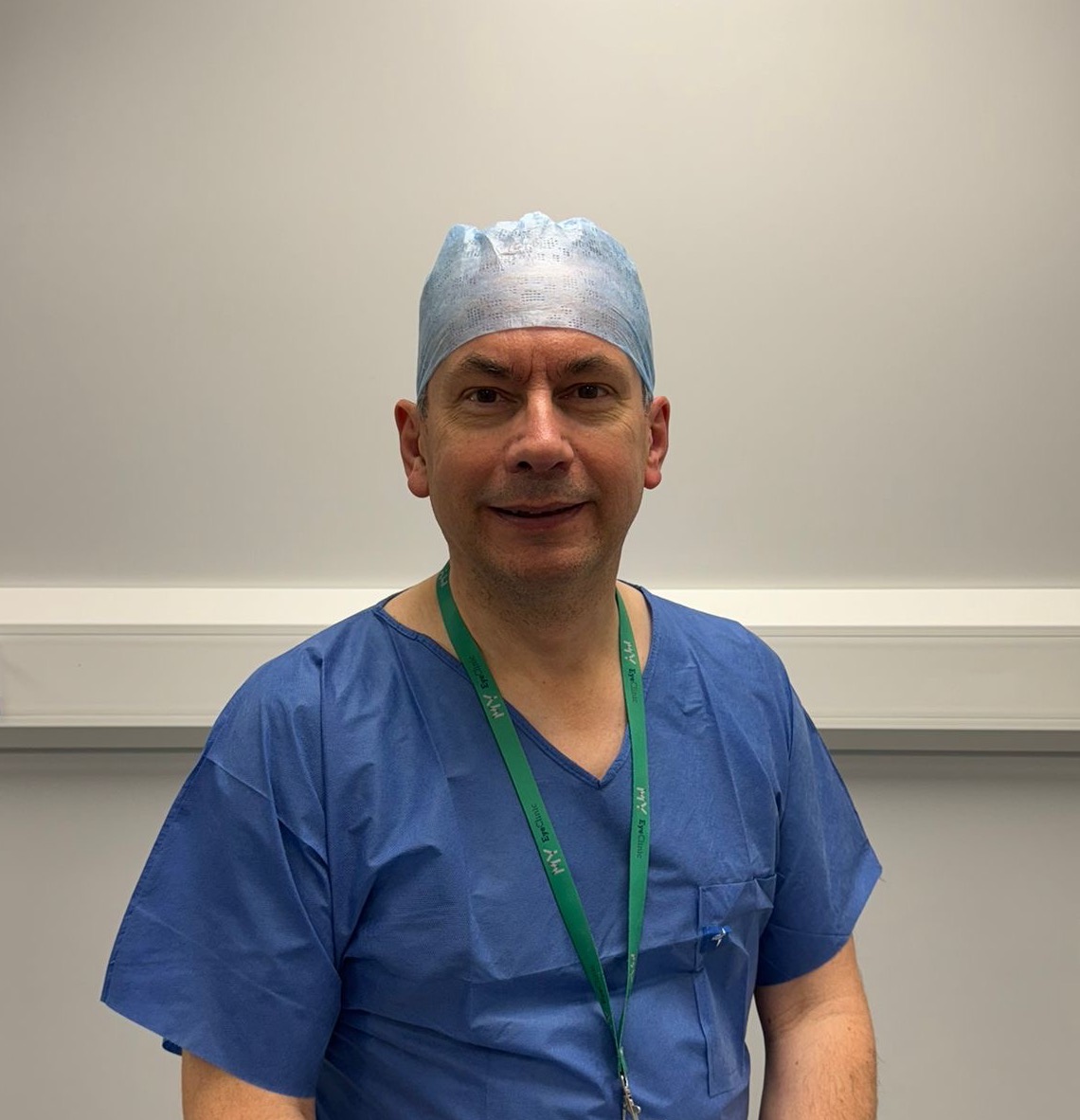
Hi, I’m Rob Boyce
After training as an engineer and research scientist, I pursued medicine at Nottingham University, followed by advanced ophthalmology training. With over 20 years as a Consultant Ophthalmologist specialising in Oculoplastic and Lacrimal Surgery, I’m committed to delivering the highest quality care at MY Eye Clinic, using cutting-edge techniques and patient-centred care.