How soon can you drive after cataract surgery?
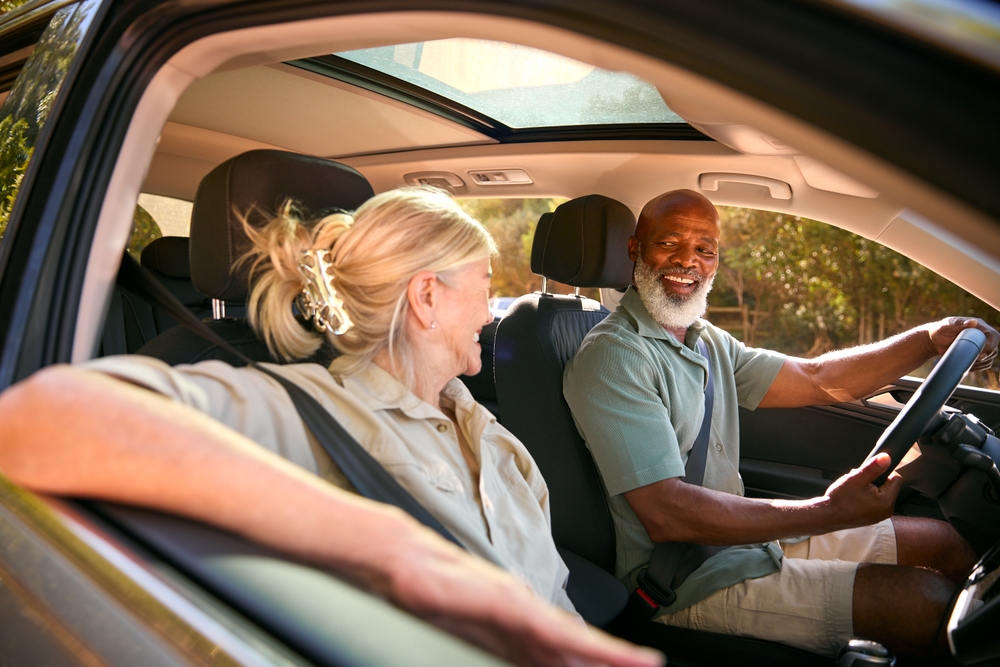
If you are planning to have cataract surgery, you may be wondering when you can get back behind the wheel. For many people, driving is an important part of everyday life, so it is natural to ask, "How soon can you drive after cataract surgery?"
The answer is different for everyone. Some patients are ready to drive again within a few days, while others may need to wait a little longer. The most important thing is that your vision has recovered enough to meet the legal driving standard and that your surgeon is happy with your progress.
At My Eye Clinic in Gosforth, England, we want every patient to recover safely and confidently. In this guide, we explain when you may be able to drive again, what can affect your recovery, and how to know when it is safe to return to the road.
What happens during cataract surgery?
Replacing the cloudy lens
A cataract develops when the natural lens inside your eye becomes cloudy. This can make your vision blurry, faded, or less clear, making activities such as driving more difficult.
During cataract surgery, your surgeon removes the cloudy lens and replaces it with a clear artificial lens called an intraocular lens, or IOL.
Once the cloudy lens has been replaced, light can pass through the eye more clearly, helping to improve your vision.
Recovery begins straight away
Cataract surgery is usually completed in around 20 to 30 minutes, and most patients return home on the same day.
Although your recovery starts immediately, your eye still needs time to heal before you can safely return to driving.
Can you drive home after cataract surgery?
No, you should not drive yourself home
You should not drive immediately after cataract surgery.
Your vision is often blurred after the procedure, and the eye drops used during surgery may leave your pupil enlarged for several hours.
These temporary changes make it unsafe to drive.
Before your surgery, arrange for a family member, friend, or taxi to take you home.
When can you drive again?
Every patient recovers differently
There is no set number of days that applies to everyone.
Some people recover quickly and are able to drive within a few days, while others may need to wait longer.
Your recovery depends on how your eye heals and how well your vision improves.
Your vision must meet the legal standard
Before driving again, you must be able to meet the legal eyesight requirements for driving.
You should be able to see clearly enough to drive safely and confidently.
If your vision is still blurred, or you are unsure whether you meet the legal standard, you should not drive.
Your surgeon or optometrist can advise you if you have any concerns.
What can affect when you can drive?
Your healing process
Every eye heals at its own pace.
Some patients notice clearer vision within a day or two, while others continue improving over several weeks.
It is important not to compare your recovery with someone else's.
One eye or both eyes
If you have cataract surgery on one eye, your other eye may still affect how well you can see while driving.
If both eyes need treatment, your surgeon will discuss how this may affect your recovery and when you can safely return to driving.
Other eye conditions
Some people have other eye conditions as well as cataracts.
Conditions such as glaucoma, macular degeneration, or diabetic eye disease may affect your vision and your recovery.
Your surgeon will consider your overall eye health when advising you about driving.
How will you know when it is safe?
Attend your follow-up appointment
Your follow-up appointments are an important part of your recovery.
During these visits, your surgeon will examine your eye and check that it is healing as expected.
If your vision has improved and your recovery is progressing well, they will advise you when it is appropriate to return to driving.
Be honest about your vision
Even if you feel ready to drive, it is important to think carefully about how well you can actually see.
You should feel comfortable reading road signs, judging distances, recognising hazards, and driving in different lighting conditions.
If you have any doubts, wait a little longer and ask your eye care team for advice.
What should you avoid while recovering?
Follow your surgeon's advice
Your surgeon will provide clear instructions after your procedure.
This may include avoiding rubbing your eye, swimming, heavy lifting, or activities that could expose your eye to dust or injury.
Following this advice supports healthy healing.
Use your eye drops
Your prescribed eye drops help reduce inflammation and lower the risk of infection.
Using them exactly as directed is one of the most important parts of your recovery.
Continue using them for the full course recommended by your surgeon.
What improvements can you expect?
Brighter colours
Many patients notice colours look brighter after cataract surgery.
The cloudy lens often dulls colours over time, so replacing it with a clear artificial lens can make everyday objects appear more vivid.
Sharper vision
As your eye heals, your vision often becomes clearer.
Many patients find driving feels easier because road signs, lane markings, and other vehicles appear sharper than before surgery.
However, everyone heals differently, and results vary from person to person.
What if you still need glasses?
Glasses may still be needed
Although cataract surgery often improves vision, some patients still need glasses for certain activities.
You may need reading glasses or glasses for specific distances depending on the type of artificial lens you receive.
If your prescription changes after surgery, your optometrist will advise you when it is the right time to update your glasses.
Why choose My Eye Clinic?
Personalised care
At My Eye Clinic in Gosforth, we understand that every patient's eyes are different.
Our experienced team takes the time to explain every stage of your treatment and recovery so you know exactly what to expect.
Supporting your recovery
From your first consultation through to your follow-up appointments, we are committed to providing expert care and ongoing support.
Our goal is to help you achieve the best possible outcome while making your treatment journey as smooth as possible.
Take the next step
If you are considering cataract surgery and would like to know whether you may be a suitable candidate, take our suitability self test today.
It only takes a few minutes to complete. If your results suggest you may be suitable, our experienced team will be happy to discuss your treatment options and answer any questions you may have.
Your best vision could still be ahead of you.
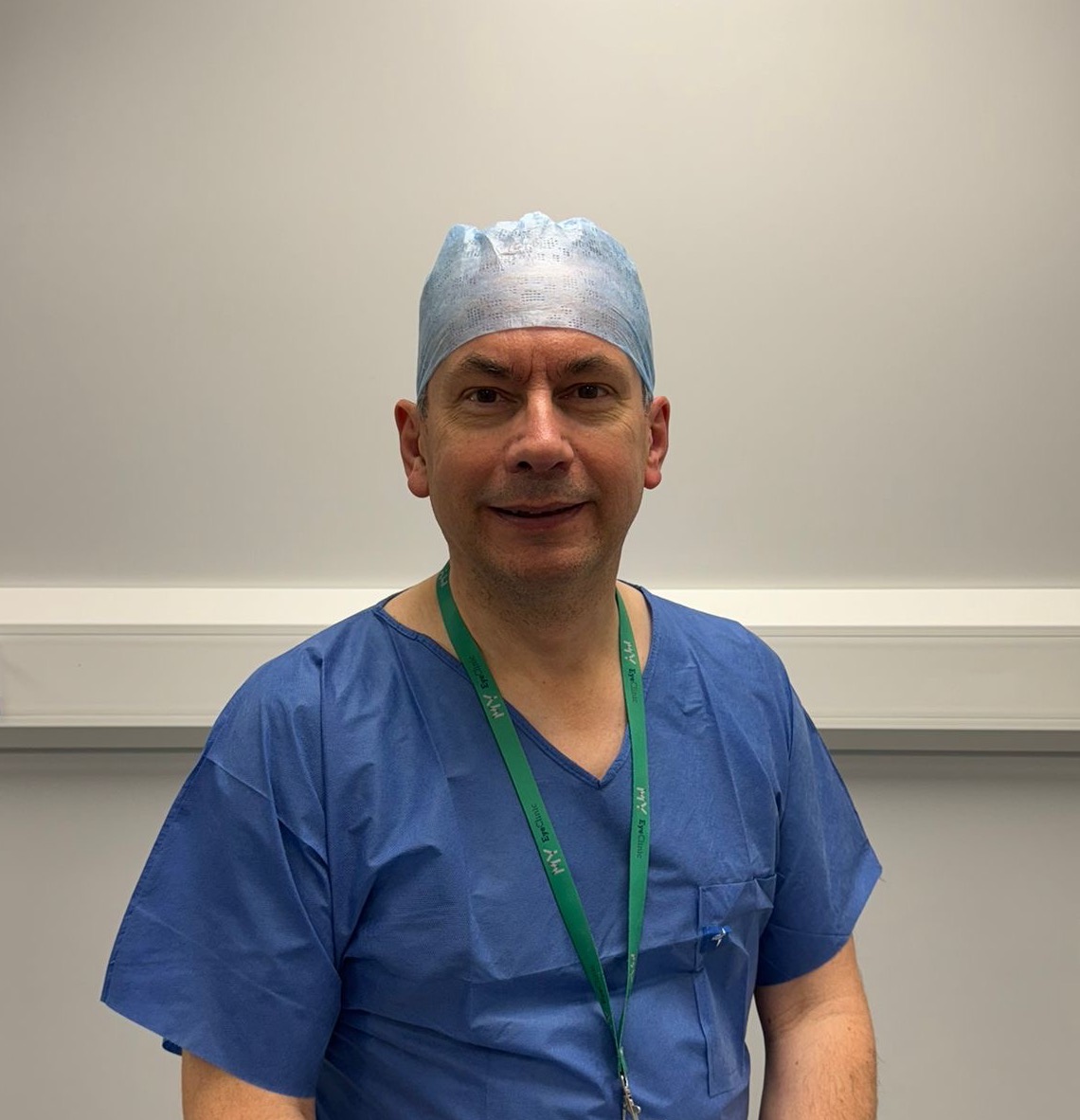
Hi, I’m Rob Boyce
After training as an engineer and research scientist, I pursued medicine at Nottingham University, followed by advanced ophthalmology training. With over 20 years as a Consultant Ophthalmologist specialising in Oculoplastic and Lacrimal Surgery, I’m committed to delivering the highest quality care at MY Eye Clinic, using cutting-edge techniques and patient-centred care.
Find out if you are suitable for vision correction
Vision correction isn’t suitable for everyone.
The first step is to take the self test so you can find out whether you can benefit.