Frequently asked questions about retinal problems
Answers to your key questions
How common are retinal problems?
Retinal problems affect millions of people around the world. They can make it harder to see clearly.
- Can affect anyone: Retinal problems can happen at any age.
- More common with age: They are more common in older adults, especially people over 50.
- Common conditions: These include retinal detachment, macular degeneration and diabetic retinopathy.
- Risk increases with age: As the number of older adults grows, retinal problems are becoming more common.
- Regular eye tests: Eye tests can help find retinal problems early.
- Early detection matters: Finding and treating problems early can help lower the risk of serious sight loss.
Retinal problems can arise from various factors including:
- Genetics: Some retinal problems can run in families.
- Age: The risk of retinal problems can increase with age.
- Diabetes: Diabetes can damage the blood vessels in the retina.
- Other health conditions: Certain health conditions can affect retinal health.
- Sun exposure: Prolonged exposure to sunlight without eye protection may contribute to retinal damage.
- High blood pressure: High blood pressure can disrupt blood flow to the retina and increase the risk of conditions such as retinal vein occlusion.
- Smoking: Smoking can affect retinal blood flow and increase the risk of retinal problems.
- Eye injuries: Injuries to the eye can lead to retinal tears or retinal detachment.
Understanding these risk factors is key to prevention and early treatment, which are vital for preserving vision.
Diagnosing retinal problems
A detailed eye exam can help find retinal problems. Your eye care professional may use several tests to check the health of your retina.
- Eye examination: Your pupils may be widened with special eye drops. This gives the eye care professional a better view of your retina.
- OCT scan: An optical coherence tomography (OCT) scan takes detailed images of the retina. It can help find changes or damage.
- Fluorescein angiography: This test uses a special dye to show the blood vessels in the retina. It can help find leaks or other changes.
- Regular eye checks: Routine eye tests can help find retinal problems early.
- Early diagnosis: Finding a problem early can allow treatment to begin before it becomes more serious.
Treatment depends on the type of retinal problem and how serious it is. Options may include:
- Laser treatment: Laser therapy can seal or remove leaking blood vessels. It may be used to treat conditions such as diabetic retinopathy.
- Vitrectomy: This is a type of eye surgery. It removes the clear gel inside the eye and can be used to repair problems such as macular holes.
- Anti-VEGF injections: These injections can help slow the growth of abnormal blood vessels in people with age-related macular degeneration.
- Managing health conditions: Keeping conditions such as diabetes under control can help protect the retina and reduce the risk of further damage.
- Regular eye care: Finding retinal problems early can help treatment start sooner and may improve the chance of protecting vision.
Treatment for retinal problems continues to improve. Regular eye checks are important for finding problems early and helping protect your sight.
What are common symptoms of retinal problems?
Common symptoms include sudden flashes of light, increased floaters, blurred vision, and partial vision loss. If you notice any of these symptoms, it’s important to consult an eye care professional immediately.
Can retinal problems lead to blindness?
Yes, if left untreated, certain retinal problems like retinal detachment or advanced macular degeneration can lead to permanent vision loss or blindness. Regular eye exams are vital for early detection and prevention.
Are retinal problems hereditary?
Some retinal diseases, such as retinitis pigmentosa, are hereditary. Family history can increase your risk, so sharing this information with your eye doctor can help in early monitoring and intervention.
How often should I get my eyes checked for retinal health?
Individuals over 50 or those with risk factors such as diabetes should have annual eye exams. Others should follow their eye doctor’s recommendations based on their personal and family health history.
What lifestyle changes can help prevent retinal problems?
Maintaining a healthy diet rich in green leafy vegetables and fish, controlling blood pressure and sugar levels, quitting smoking, and protecting eyes from UV light are all effective strategies to reduce the risk of developing retinal issues

Mr Young
Consultant Ophthalmologist (Vitreo-retinal Surgeon)
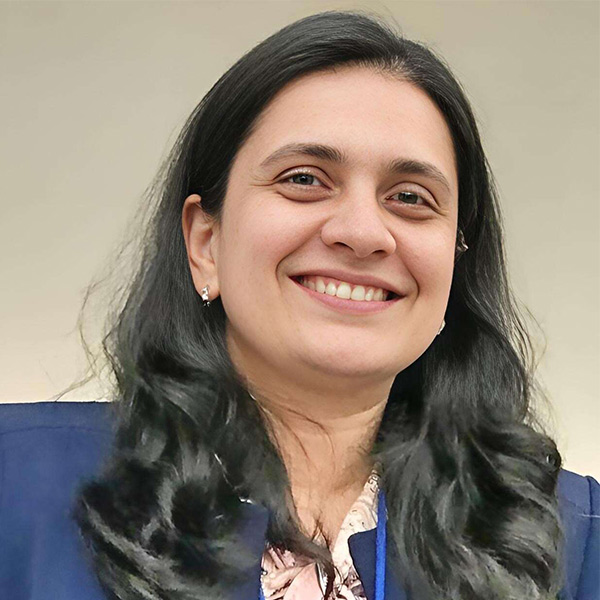
Miss Oswal
Consultant Ophthalmologist (Vitreo-retinal Surgeon)
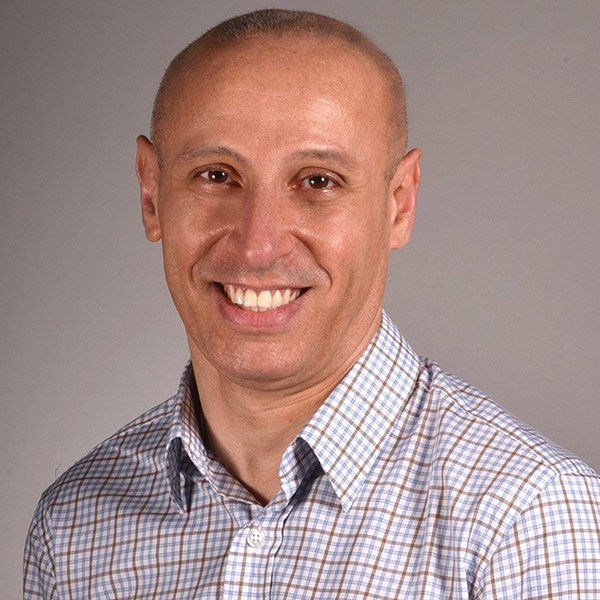
Prof Habib
Consultant Ophthalmologist (Vitreo-retinal Surgeon & Macular Specialist)

Restore your vision in 3 simple steps
Finding the right retinal treatment can feel overwhelming, but we’ve made the process easy and supportive for you

Step 1: Get in touch
Not all retinal treatments are suitable for everyone. The first step is to determine if a retinal procedure is the right solution for you and which treatment option best meets your needs. Call our friendly team at 0191 917 8887 or use our easy online calendar to book an assessment.

Step 2: We'll meet
During your assessment, our specialists will develop a tailored treatment plan for you, whether it involves advanced laser therapy, injections, or other retinal solutions, all aimed at achieving the best possible outcome for your vision.

Step 3: Enjoy freedom
After your procedure, experience clearer, healthier vision with lasting results. We’ll provide ongoing support and care to help you maintain your improved eyesight for years to come.
Join thousands who’ve gained freedom from glasses and contacts
Discover how they ditched their dependence and see how you can, too
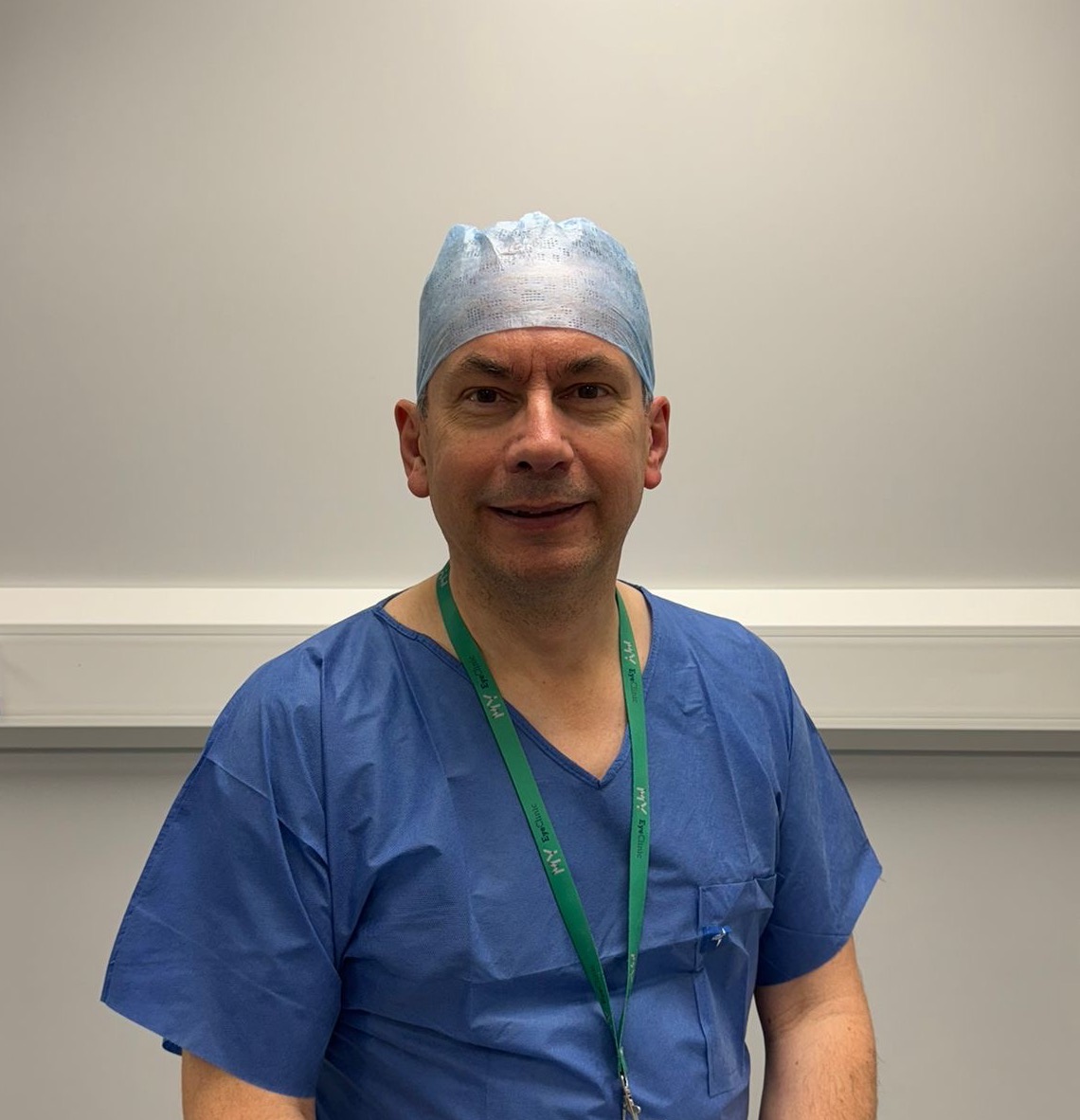
Hi, I’m Rob Boyce
After training as an engineer and research scientist, I pursued medicine at Nottingham University, followed by advanced ophthalmology training. With over 20 years as a Consultant Ophthalmologist specialising in Oculoplastic and Lacrimal Surgery, I’m committed to delivering the highest quality care at MY Eye Clinic, using cutting-edge techniques and patient-centred care.
Mr Rob Boyce
Founder and Owner of MY Eye Clinic