
How long does cataract surgery take?
If you are thinking about cataract surgery, you may wonder how long the procedure takes. Many people feel nervous before eye surgery, especially if they do not know what to expect.
At My Eye Clinic in Gosforth, England, we often hear questions like, “Will I be there all day?” and “How long does the surgery itself take?”
The good news is that cataract surgery is usually very quick. The procedure itself often takes less than 30 minutes. Most people go home on the same day.
Let us explain the full process in simple words so you know what to expect.
What is cataract surgery?
Cataract surgery removes the cloudy lens inside your eye. This cloudy lens is called a cataract.
The cataract is replaced with a clear artificial lens. This helps light pass through the eye properly again, which can improve your vision.
Cataract surgery is one of the most common eye procedures in the world.
How long does the surgery itself take?
The procedure is usually quick
In most cases, cataract surgery takes around 20 to 30 minutes.
The exact time can vary depending on your eye and the type of treatment you need.
Even though the surgery is quick, you should expect to spend longer at the clinic for preparation and recovery checks.
You will not stay overnight
Cataract surgery is usually done as a day procedure. This means you go home the same day.
Most people are at the clinic for a few hours in total.
What happens before the surgery?
Eye checks and preparation
Before surgery begins, your eyes will be checked carefully. The team will make sure everything is ready for your treatment.
You may have drops placed into your eye to widen the pupil and numb the surface of the eye.
Getting comfortable
You will be taken into the treatment room once your eye is ready. The team will help you feel calm and comfortable.
Most people are awake during cataract surgery, but the eye is numbed so you should not feel pain.
What happens during cataract surgery?
Removing the cloudy lens
The surgeon makes a very small opening in the eye. A gentle tool is used to break up the cloudy lens into tiny pieces.
These pieces are then removed carefully from the eye.
Placing the new lens
Once the cloudy lens is removed, a clear artificial lens is placed inside the eye.
This new lens stays in the eye permanently and helps improve your vision.
Finishing the procedure
The tiny opening in the eye usually seals naturally without stitches.
After the surgery is complete, your eye will be checked before you go home.
Will the surgery hurt?
Most people feel little or no pain
Your eye will be numbed before surgery using special drops. This helps keep you comfortable during the procedure.
You may notice light, movement, or gentle pressure, but you should not feel pain.
Feeling nervous is normal
It is very common to feel nervous before eye surgery. The team will talk you through the process and support you during treatment.
At My Eye Clinic in Gosforth, we take time to help patients feel informed and relaxed.
How long does recovery take?
Early recovery is often quick
Many people notice clearer vision within a few days after surgery.
Your eye may feel slightly watery or scratchy at first, but this usually settles quickly.
Full healing takes longer
Although the surgery itself is quick, full healing can take several weeks.
Your clinic will give you eye drops and recovery advice to help your eye heal properly.
When can you go back to normal activities?
Returning to daily life
Most people return to gentle daily activities within a few days.
You may be able to read, watch TV, and go for walks quite soon after surgery.
Activities to avoid at first
For a short time, you may need to avoid heavy lifting, swimming, and rubbing your eye.
This helps reduce the risk of irritation or infection while your eye heals.
Why is cataract surgery so common?
Cataracts are very common
Cataracts often develop as part of ageing. They can make vision blurry, cloudy, or dull.
Because cataracts are so common, cataract surgery is performed every day for many people around the world.
Modern techniques are very effective
Modern cataract surgery uses advanced technology and careful techniques.
Most people have a smooth recovery and notice a big improvement in their vision.
What are the benefits of cataract surgery?
Clearer vision
Many people enjoy brighter and sharper vision after surgery.
Colours may look more vivid, and glare from lights may improve.
Better quality of life
Clear vision can make daily life easier. Tasks like reading, driving, and recognising faces often become more comfortable again.
Many people feel more confident and independent after treatment.
Will you still need glasses?
It depends on your eyes
Some people still need glasses after cataract surgery, especially for reading.
Others may rely less on glasses than before.
Different lens choices
There are different types of artificial lenses available. Your clinic can explain which option may suit your lifestyle and vision goals.
Why follow-up appointments matter
Checking your healing
After surgery, you will attend follow-up appointments so the clinic can check your healing.
These visits help make sure your eye is recovering well.
Asking questions
Follow-up visits are also a chance to ask questions and discuss any concerns about your recovery or vision.
When should you consider cataract surgery?
Signs your cataracts may be worsening
If your vision is blurry or if glare from lights is making life difficult, it may be time to consider treatment.
Reading, driving, and everyday tasks may become harder as cataracts develop.
Getting expert advice
An eye examination can help you understand whether cataract surgery may benefit you.
At My Eye Clinic in Gosforth, England, we guide you through each step in clear and simple terms.
Take the next step
If cataracts are affecting your vision, you do not have to keep struggling with cloudy sight.
Take our suitability self test today. It is quick and easy to complete. It can help you see if you may be a good fit for cataract treatment.
Cataract surgery is usually quick, safe, and effective. With the right care and support, you can enjoy clearer vision and greater confidence in everyday life.
Find out if you are suitable for vision correction
Vision correction isn’t suitable for everyone.
The first step is to take the self test so you can find out whether you can benefit.
Our most popular procedures
What our patients say…
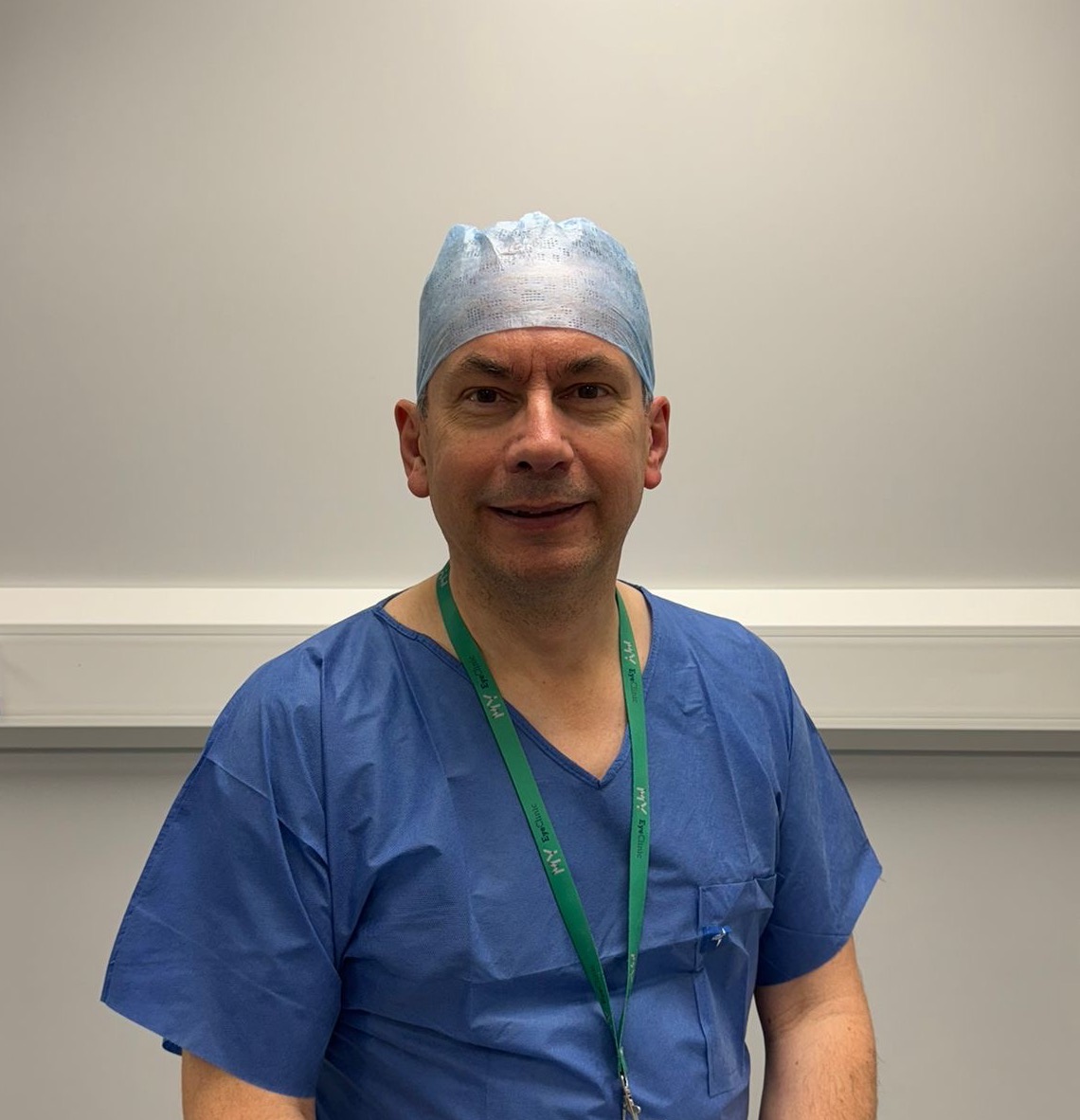
Hi, I’m Rob Boyce
After training as an engineer and research scientist, I pursued medicine at Nottingham University, followed by advanced ophthalmology training. With over 20 years as a Consultant Ophthalmologist specialising in Oculoplastic and Lacrimal Surgery, I’m committed to delivering the highest quality care at MY Eye Clinic, using cutting-edge techniques and patient-centred care.