Do glaucoma patients get free prescriptions?
If you have glaucoma, you may need to use eye drops every day to help control the condition. This can lead to questions about the cost of your medicines, especially if you need more than one prescription.
One common question is: do glaucoma patients get free prescriptions?
In England, having glaucoma does not automatically mean that your NHS prescriptions are free. However, people with diagnosed glaucoma are entitled to a free NHS sight test. Whether you can get free prescriptions depends on other factors, such as your age, income, benefits or another medical exemption.
Understanding the difference between free eye tests and free prescriptions can help you know what support may be available.
Do glaucoma patients get free NHS prescriptions?
Glaucoma alone does not make prescriptions free
If you have glaucoma in England, you are not automatically exempt from NHS prescription charges because of the condition.
Some people with glaucoma may still get free prescriptions because they meet another exemption. For example, this could be because of their age, certain benefits, pregnancy or another qualifying condition. The NHS has an online checker that can help you find out if you are entitled to free prescriptions.
It is important to check your own circumstances before claiming a prescription for free. You may need to show proof of your exemption.
Do glaucoma patients get free eye tests?
Yes, if you have diagnosed glaucoma
There is an important difference between prescriptions and eye tests.
If you have been diagnosed with glaucoma, you are entitled to a free NHS sight test in England. People who have been told by an ophthalmologist that they are at risk of glaucoma may also qualify.
People aged 40 or over who have a parent, brother, sister, son or daughter with diagnosed glaucoma can also qualify for a free NHS sight test.
A free NHS sight test is not the same as free prescriptions. You may qualify for one but not the other.
Why do glaucoma patients need regular eye checks?
Glaucoma can damage your sight
Glaucoma is a group of eye conditions that can damage the optic nerve. The optic nerve sends signals from your eye to your brain, helping you see.
Glaucoma can develop slowly and may not cause clear symptoms at first. This means you may not notice that your vision is changing.
If glaucoma is not treated, the damage can get worse over time. There is no cure for glaucoma, but treatment can slow the damage and help protect your sight.
Regular eye checks help your eye care team monitor your condition and make sure your treatment is working as expected.
What treatment is used for glaucoma?
Glaucoma eye drops
Eye drops are a common treatment for glaucoma.
They work by lowering the pressure inside the eye. Depending on the type of drop, they may reduce the amount of fluid made in the eye or help fluid drain from the eye more easily.
If your doctor has prescribed glaucoma drops, it is important to use them as advised. Missing doses can make it harder to control your eye pressure.
The cost of these prescriptions depends on whether you are entitled to free NHS prescriptions or another form of help with NHS health costs.
Laser treatment
Laser treatment may be suitable for some people with glaucoma.
The type of laser used will depend on the type of glaucoma you have and the health of your eyes. Laser treatment can help lower eye pressure in some patients.
Your ophthalmologist will explain whether laser treatment may be suitable for you and what the treatment involves.
Glaucoma surgery
Some people need surgery if eye drops or laser treatment do not control their glaucoma well enough.
There are different types of glaucoma surgery. These treatments aim to improve the drainage of fluid from the eye and help lower eye pressure.
Your ophthalmologist will explain the treatment options based on your individual needs.
What if I cannot afford my glaucoma prescriptions?
Check if you qualify for help
If you have glaucoma and pay for your NHS prescriptions, there may still be ways to reduce your costs.
Your eligibility can depend on your age, income, benefits and other personal circumstances. The NHS provides a service where you can check whether you qualify for free prescriptions or other help with NHS costs.
If you need regular prescriptions but do not qualify for free prescriptions, you may also be able to save money through a Prescription Prepayment Certificate, depending on your circumstances.
The NHS can provide the most up-to-date information about prescription costs and available support.
Can I get free prescriptions because of another condition?
You may qualify for another exemption
Having glaucoma is only one part of your overall health. You may qualify for free prescriptions because of another condition or circumstance.
Some medical conditions have specific prescription exemptions. Other people qualify because they are pregnant, receive certain benefits or meet another NHS exemption.
If you think you may qualify, check the current NHS rules before claiming free prescriptions.
You should not assume that having an eye condition automatically means your medicines are free.
What happens if I am not sure if I qualify?
Check before claiming
If you are unsure whether you qualify for free prescriptions, it is important to check before signing a declaration that you do not have to pay.
The NHS says that patients are responsible for checking whether they are entitled to an exemption. If you claim an exemption when you are not entitled to one, you may have to pay the prescription charge and a penalty.
If you are unsure, you can use the NHS eligibility checker or speak to your pharmacy or healthcare team.
Why is glaucoma follow-up important?
Glaucoma is usually a long-term condition
Glaucoma usually needs ongoing care. Even if your vision feels normal, the condition can still affect the optic nerve.
Your ophthalmologist may check your eye pressure, optic nerve and visual field during your appointments. These checks help your care team see whether your glaucoma is stable or whether your treatment needs to change.
The NHS recommends regular eye tests, and people at higher risk of glaucoma may need them more often.
Taking your prescribed eye drops and attending your follow-up appointments are important parts of managing glaucoma.
Can glaucoma cause blindness?
Treatment can help protect your vision
Glaucoma can cause permanent sight loss if the optic nerve becomes badly damaged.
However, having glaucoma does not mean that you will become blind. Finding glaucoma early and following the right treatment plan can help slow the condition and protect the sight you still have.
This is why it is important to keep up with your eye checks and use your glaucoma treatment as advised.
If you notice a sudden change in your vision, severe eye pain, a red eye, nausea or coloured rings around lights, seek urgent medical help. Some forms of glaucoma can develop quickly and need immediate treatment.
Glaucoma care at My Eye Clinic in Gosforth
At My Eye Clinic in Gosforth, Newcastle, we provide specialist eye care for people with glaucoma and other eye conditions.
A glaucoma assessment can help your ophthalmologist understand the health of your eyes and monitor any changes over time. Your treatment will depend on the type and stage of glaucoma and your individual needs.
If you have already been diagnosed with glaucoma, it is important to continue your usual NHS or private care and follow the advice given by your eye specialist.
Take our suitability self-test
If you are thinking about vision correction or want to learn more about your treatment options, take the My Eye Clinic suitability self-test.
The self-test can help give you an indication of whether you may be suitable for vision correction treatment. It is not a diagnosis and does not replace a full eye examination.
If you have glaucoma or another eye condition, speak to your eye care professional about the care and treatment that is right for you.
Your best vision could still be ahead of you.
Find out if you are suitable for vision correction
Vision correction isn’t suitable for everyone.
The first step is to take the self test so you can find out whether you can benefit.
Our most popular procedures
What our patients say…
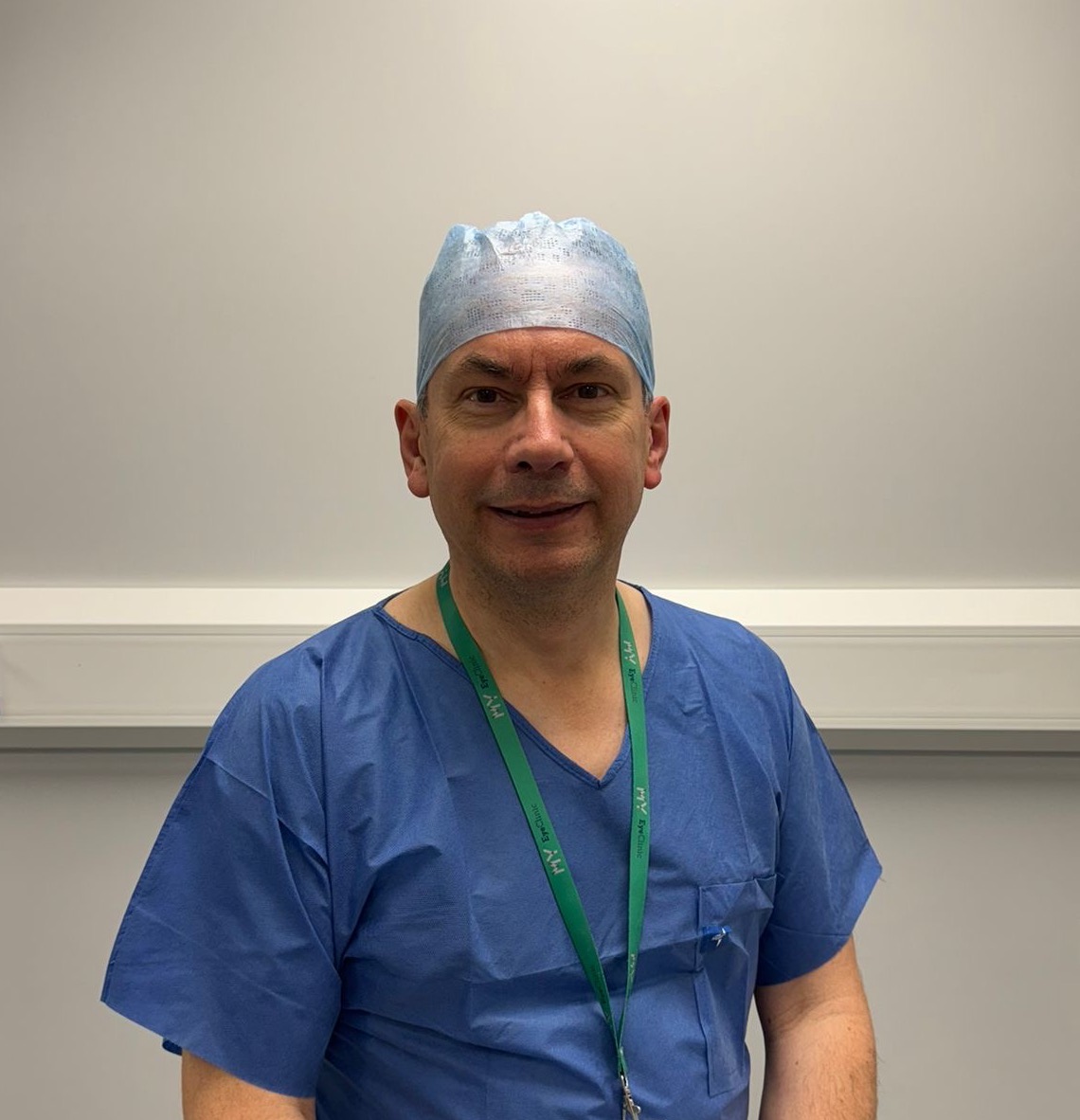
Hi, I’m Rob Boyce
After training as an engineer and research scientist, I pursued medicine at Nottingham University, followed by advanced ophthalmology training. With over 20 years as a Consultant Ophthalmologist specialising in Oculoplastic and Lacrimal Surgery, I’m committed to delivering the highest quality care at MY Eye Clinic, using cutting-edge techniques and patient-centred care.