What are the symptoms of glaucoma?
The symptoms of glaucoma can be hard to notice, especially in the early stages. Many people with glaucoma have no clear symptoms at first. This means you may have the condition without knowing it.
Glaucoma is a group of eye conditions that can damage the optic nerve. The optic nerve sends messages from your eyes to your brain, helping you see. If it becomes damaged, you can lose parts of your vision.
The good news is that regular eye tests can help find glaucoma early. Early treatment can help slow or stop further damage and protect the sight you still have.
What is glaucoma?
How glaucoma affects your eyes
Glaucoma happens when the optic nerve becomes damaged. In many cases, this is linked to pressure inside the eye. However, glaucoma can also develop when eye pressure is within the normal range.
The optic nerve is important because it carries visual information from your eye to your brain. Damage to this nerve can affect your field of vision.
Glaucoma often develops slowly. You may not notice anything is wrong until the condition has become more advanced. This is why routine eye tests are so important.
What are the early symptoms of glaucoma?
There may be no symptoms
One of the most important things to know about glaucoma is that it may not cause any symptoms at first.
You may still be able to read, drive and carry out your normal daily tasks. Your central vision may also seem completely normal.
However, glaucoma can slowly affect your side vision. Because the change happens over time, your brain may adjust to it and you may not notice what is happening.
This is why waiting for symptoms is not a good way to check for glaucoma. Regular eye examinations can find signs of the condition before you notice changes yourself.
Loss of side vision
As glaucoma progresses, it can affect your peripheral vision. This means the parts of your sight that you use to see things to the side may become affected.
You may find it harder to notice objects around you. In more advanced cases, your field of vision can become very narrow.
This type of vision loss can be difficult to notice in everyday life. You may still see clearly when looking straight ahead, even though some of your side vision has been lost.
What are the later symptoms of glaucoma?
Blurred or reduced vision
More advanced glaucoma can cause changes to your vision. You may notice that your sight is not as clear as it used to be.
However, blurred vision can have many different causes. It does not always mean you have glaucoma.
If you notice a change in your vision, it is important to have your eyes checked. An eye care professional can look for the cause and recommend the right next step.
Difficulty seeing around you
As glaucoma affects the field of vision, you may find it harder to see things that are not directly in front of you.
This can affect daily activities such as walking, moving around busy places or driving. Some people may bump into objects more often or find it harder to notice people approaching from the side.
These changes can happen slowly, so you may not realise that your vision has changed.
Can glaucoma cause eye pain?
Most glaucoma does not cause pain
The most common type of glaucoma, called open-angle glaucoma, usually does not cause eye pain.
This is another reason why glaucoma can be difficult to spot. Your eyes may feel completely normal even when the optic nerve is being damaged.
If you have ongoing eye pain, it does not automatically mean you have glaucoma. There are many other possible causes of eye pain, so an eye examination can help find the reason.
Sudden eye pain needs urgent help
A less common type of glaucoma is called acute angle-closure glaucoma. This can happen suddenly and needs urgent medical attention.
Symptoms may include severe eye pain, a red eye, sudden blurred vision, a severe headache, nausea or vomiting. Some people may also see coloured rings around lights.
If these symptoms happen suddenly, seek urgent medical help. Do not wait for a routine eye test.
Can glaucoma cause headaches?
Headaches can have many causes
Most people with glaucoma do not get headaches because of the condition.
However, acute angle-closure glaucoma can cause a sudden and severe headache along with other symptoms such as eye pain, blurred vision, nausea or a red eye.
A headache on its own is not usually a sign of glaucoma. If you have sudden eye pain or changes in your vision along with a severe headache, you should seek urgent medical help.
Who is more at risk of glaucoma?
Age can increase your risk
Your risk of glaucoma increases as you get older. This is one reason why regular eye tests are important, even if your vision seems fine.
Glaucoma can also affect younger people, so it is not only an eye condition that affects older adults.
Family history can increase your risk
Glaucoma can run in families. If a close family member has glaucoma, your risk may be higher.
Tell your optometrist if glaucoma runs in your family. They can advise you about your risk and how often your eyes should be checked.
Other factors can play a role
Other eye conditions, eye injuries and some health problems can also increase the risk of glaucoma.
Some medicines, including steroid medicines, can affect eye pressure in certain people.
Your eye care professional can look at your overall eye health and risk factors when checking for glaucoma.
How is glaucoma diagnosed?
An eye test can find signs early
You do not need to wait for symptoms before having your eyes checked.
During an eye examination, your optometrist can carry out tests to look for signs of glaucoma. These may include checking the pressure inside your eyes, examining the optic nerve and testing your field of vision.
Other tests may also be used to get a closer look at the structure of your eyes.
If your optometrist finds signs that could suggest glaucoma, you may be referred for further tests with an eye specialist.
Early diagnosis can protect your sight
Glaucoma damage cannot usually be reversed. However, treatment can help slow or stop further damage.
Finding glaucoma early gives your eye care team a better chance to protect your remaining vision.
This is why regular eye tests are so important, even when your eyes feel healthy.
When should you see an eye specialist?
Changes in your vision should be checked
If you notice a change in your vision, make an appointment with an optometrist or eye care professional.
This could include changes in your side vision, blurred vision or difficulty seeing that is new for you.
There are many reasons why vision can change, and most do not mean you have glaucoma. An eye examination can help find the cause.
Get urgent help for sudden symptoms
Sudden severe eye pain, a red eye, blurred vision, nausea, vomiting or coloured rings around lights can be signs of acute angle-closure glaucoma.
These symptoms need urgent medical attention because the condition can damage your vision quickly.
Can glaucoma be treated?
Treatment can help protect your vision
There is currently no cure for glaucoma, but treatment can help control the condition.
Treatment may include prescription eye drops, laser treatment or surgery. The best option depends on the type and severity of glaucoma and your individual eye health.
Your eye specialist will explain your options and help you understand which treatment is right for you.
Regular checks remain important
If you are diagnosed with glaucoma, you will usually need regular appointments. These checks allow your eye care team to monitor your eye pressure, optic nerve and vision.
Your treatment may also need to change over time. Following your treatment plan and attending your appointments can help protect your sight.
Take the next step
Glaucoma can be difficult to spot because it often has no symptoms in the early stages. You may feel that your eyes are healthy while changes are slowly taking place.
Regular eye tests are one of the best ways to find glaucoma early. If you have concerns about your eye health or are considering vision correction, a proper eye assessment can help you understand your options.
If you are thinking about vision correction or lens surgery, knowing more about your eye health is also an important part of understanding which options may be suitable for you.
Take our quick suitability self-test today to learn more about your vision and take the first step towards finding the right treatment for you.
Your best vision could still be ahead of you.
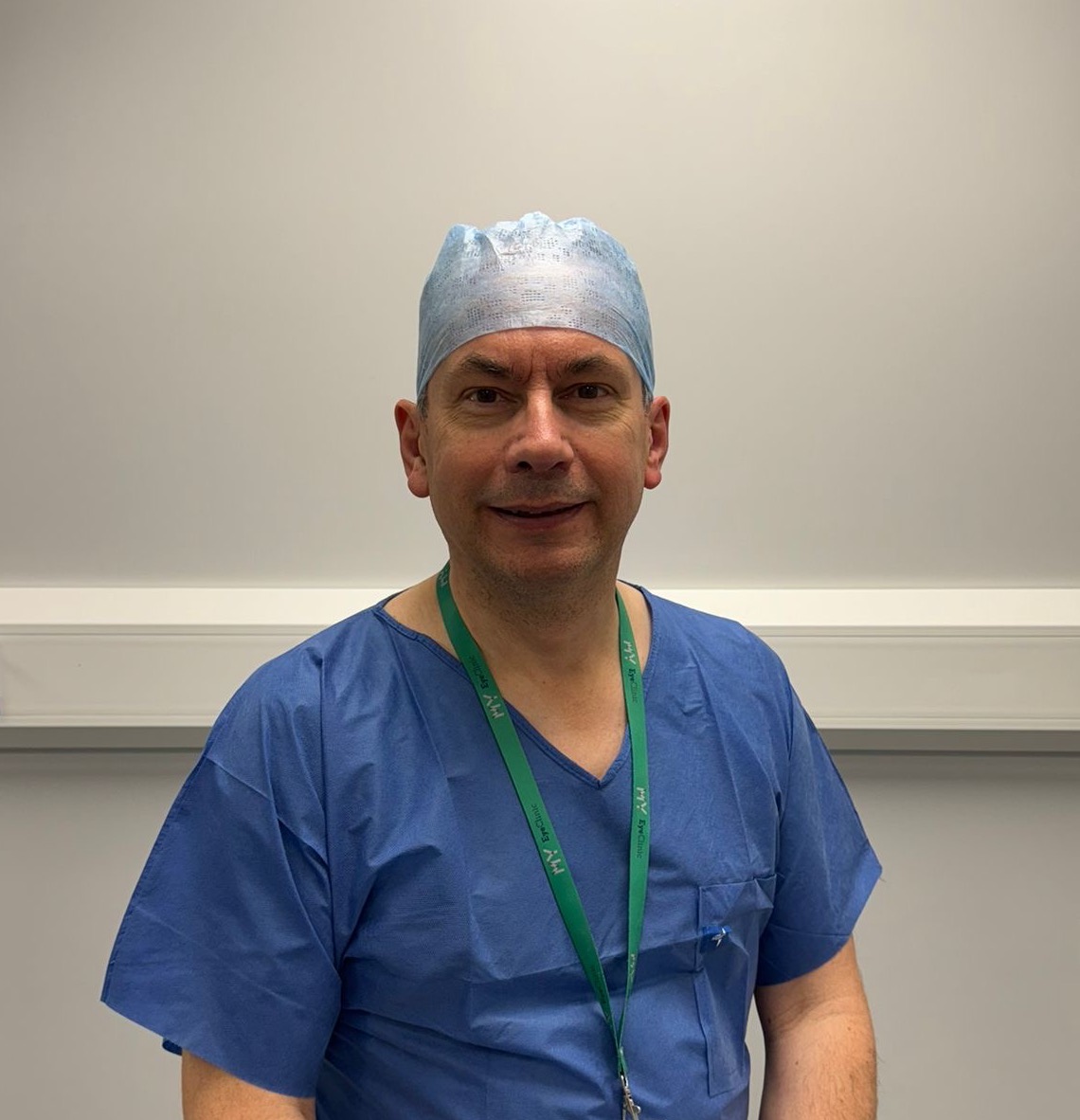
Hi, I’m Rob Boyce
After training as an engineer and research scientist, I pursued medicine at Nottingham University, followed by advanced ophthalmology training. With over 20 years as a Consultant Ophthalmologist specialising in Oculoplastic and Lacrimal Surgery, I’m committed to delivering the highest quality care at MY Eye Clinic, using cutting-edge techniques and patient-centred care.
Find out if you are suitable for vision correction
Vision correction isn’t suitable for everyone.
The first step is to take the self test so you can find out whether you can benefit.
Our most popular procedures
What our patients say…
Hi, I’m Rob Boyce
After training as an engineer and research scientist, I pursued medicine at Nottingham University, followed by advanced ophthalmology training. With over 20 years as a Consultant Ophthalmologist specialising in Oculoplastic and Lacrimal Surgery, I’m committed to delivering the highest quality care at MY Eye Clinic, using cutting-edge techniques and patient-centred care.