What is glaucoma?
Glaucoma is a common eye condition that can damage the optic nerve. The optic nerve carries messages from your eyes to your brain, helping you see the world around you.
Glaucoma often develops slowly and may not cause any clear symptoms at first. This means you may have glaucoma without knowing it. Regular eye tests are important because glaucoma can often be found before you notice changes to your sight.
The good news is that glaucoma can often be treated and monitored. Treatment can help slow or stop further damage to your sight. However, any sight already lost because of glaucoma cannot usually be restored.
What happens to the eye with glaucoma?
The optic nerve becomes damaged
The optic nerve is like a pathway between your eye and your brain. It carries the information your eye collects so your brain can turn it into an image.
With glaucoma, this nerve can become damaged over time. This can lead to changes in your field of vision. If glaucoma is not found and treated, the damage can become more serious.
Glaucoma is often linked to pressure inside the eye. This pressure can rise when the fluid inside the eye does not drain properly. However, glaucoma can also happen when eye pressure is within the usual range.
Glaucoma can develop slowly
One of the difficult things about glaucoma is that it often has no symptoms in its early stages. Many people only find out they have it during a routine eye test.
As glaucoma develops, it can affect your side vision first. Because the change can happen slowly, you may not notice it straight away.
This is why regular eye tests are so important, even if your vision seems fine.
What are the different types of glaucoma?
Open-angle glaucoma
Primary open-angle glaucoma is the most common type of glaucoma in the UK. It usually develops slowly over many years.
The drainage system in the eye does not work as well as it should. This can cause pressure to build up and may damage the optic nerve.
Most people do not notice symptoms in the early stages. Regular eye checks can help find changes before they cause noticeable sight loss.
Angle-closure glaucoma
Angle-closure glaucoma happens when the drainage area of the eye becomes blocked.
It can sometimes happen suddenly. Sudden symptoms may include severe eye pain, a red eye, blurred vision, a headache, seeing coloured rings around lights, and feeling or being sick.
Sudden symptoms like these need urgent medical attention.
Who is more likely to get glaucoma?
Glaucoma can affect anyone, but the risk increases with age. It is more common in adults aged 50 and over and is especially common in older adults.
Your risk may also be higher if a close family member, such as a parent, brother or sister, has glaucoma. Some other eye and health factors can also increase your risk.
If glaucoma runs in your family, tell your optometrist. You may need eye tests more often.
How is glaucoma found?
Regular eye tests are important
Glaucoma is often found during a routine eye test before you notice any symptoms. Your optometrist can check your eye pressure and look at the health of your optic nerve.
If there is a concern about glaucoma, you may need further tests or a referral to an eye specialist.
NICE recommends several tests when glaucoma is being assessed. These can include checking your eye pressure, examining the optic nerve, checking your field of vision and looking at the structure of the front of the eye.
What is an eye pressure test?
Your eye contains a clear fluid called aqueous humour. This fluid is constantly being made and drained.
If the fluid does not drain properly, pressure inside the eye can increase. An eye pressure test measures this pressure.
Having high eye pressure does not always mean you have glaucoma. Some people have higher eye pressure but no damage to the optic nerve. Other people can develop glaucoma even when their eye pressure is not high.
This is why eye pressure is only one part of a glaucoma assessment.
Can glaucoma be treated?
Treatment can help protect your sight from damage
There is currently no cure for glaucoma, but treatment can help slow down or stop further damage. The treatment you need depends on the type and severity of glaucoma.
Treatment may include prescription eye drops, laser treatment or surgery. Your eye specialist will explain which option is suitable for your eyes.
Eye drops may help lower the pressure inside the eye. Some work by reducing the amount of fluid produced, while others help the fluid drain more easily.
Laser treatment can also be used for some types of glaucoma. In some cases, glaucoma surgery may be recommended.
Regular follow-up is important
Glaucoma is usually a long-term condition. If you have been diagnosed with glaucoma, you will normally need regular checks to monitor your eyes.
Your eye care team will look for changes and check whether your treatment is working. It is important to use prescribed eye drops as advised and attend your follow-up appointments.
Can glaucoma cause blindness?
Glaucoma can cause permanent sight loss if it is not diagnosed and treated. However, being diagnosed with glaucoma does not mean you will lose your sight.
Finding glaucoma early and starting the right treatment can help protect your remaining vision. NICE notes that most people who receive treatment for chronic open-angle glaucoma have a good quality of life and do not go blind.
This is one reason regular eye checks are so important.
When should you get urgent help?
Sudden symptoms should not be ignored
Most glaucoma develops slowly, but some forms can cause sudden symptoms.
If you suddenly develop severe eye pain, a red eye, blurred vision, a headache, nausea or vomiting, or coloured rings around bright lights, seek urgent medical help. These symptoms can be a sign of acute glaucoma and need prompt treatment.
Do not wait for the symptoms to go away on their own.
Can cataract surgery treat glaucoma?
Cataract surgery and glaucoma treatment are not the same thing.
Cataract surgery replaces the cloudy natural lens inside the eye with an artificial lens. Glaucoma treatment is aimed at protecting the optic nerve, often by lowering eye pressure.
In some people, lens or cataract surgery may form part of their glaucoma care. However, whether this is suitable depends on the type of glaucoma and the health of the eye. Your specialist can explain your options.
Living with glaucoma
A glaucoma diagnosis can feel worrying, but many people continue to enjoy normal daily activities with the right care.
The most important thing is to follow your treatment plan and attend your regular appointments. Your eye care team can monitor your condition and make changes to your treatment if needed.
If you notice any new changes to your vision, let your eye care professional know.
How My Eye Clinic can help with glaucoma
At My Eye Clinic in Gosforth, Newcastle, we understand how important regular eye care is. If you are concerned about your eye health, an eye assessment can help identify changes that may need further investigation.
If you are considering vision correction or lens surgery, your overall eye health is an important part of deciding whether treatment is suitable.
Take our quick suitability self-test to find out more about your options and take the first step towards understanding your vision correction choices.
Your best vision could still be ahead of you.
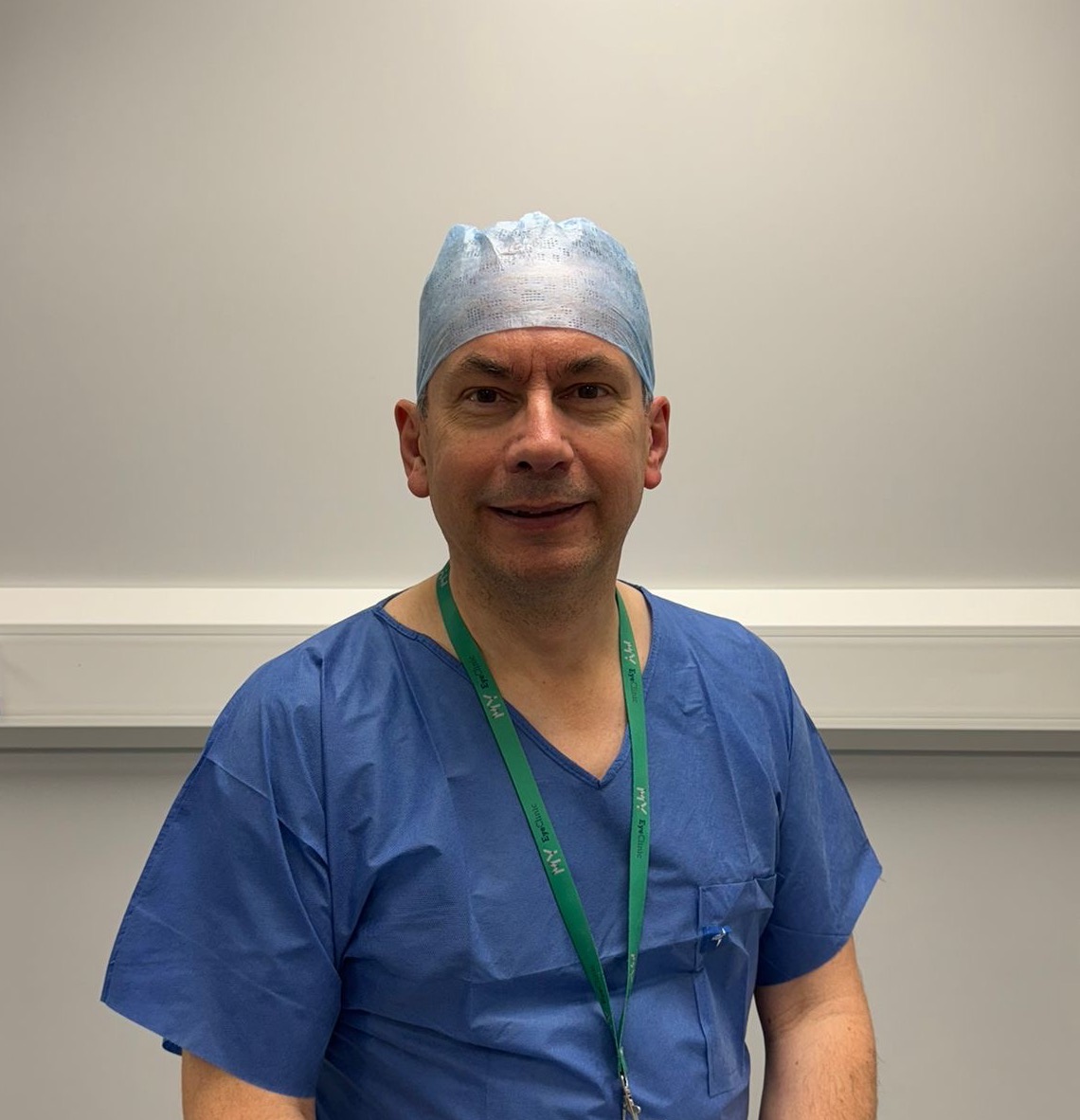
Hi, I’m Rob Boyce
After training as an engineer and research scientist, I pursued medicine at Nottingham University, followed by advanced ophthalmology training. With over 20 years as a Consultant Ophthalmologist specialising in Oculoplastic and Lacrimal Surgery, I’m committed to delivering the highest quality care at MY Eye Clinic, using cutting-edge techniques and patient-centred care.
Find out if you are suitable for vision correction
Vision correction isn’t suitable for everyone.
The first step is to take the self test so you can find out whether you can benefit.