Why do you need steroid eye drops after cataract surgery?
After cataract surgery, your eye needs time to heal. You may be given steroid eye drops to help control swelling and inflammation while this happens.
Steroid eye drops are a common part of cataract surgery aftercare. They help protect the eye during the healing process and can lower the chance of problems caused by inflammation.
But why are they needed? How long do you need to use them? And what happens if you forget a dose?
At My Eye Clinic in Gosforth, we know that understanding your eye drops can make recovery feel easier. Here is what you need to know about steroid eye drops after cataract surgery.
What happens to your eye after cataract surgery?
Your eye needs time to heal
Cataract surgery is a common procedure that removes the cloudy natural lens from your eye and replaces it with a clear artificial lens.
Although the procedure is usually quick, it is still surgery. Your eye needs time to recover afterwards.
It is normal for the eye to have some inflammation after surgery. You may notice mild redness, watering, sensitivity to light, or a gritty feeling.
Some inflammation is a normal part of healing. However, too much inflammation can cause discomfort and may affect your vision.
This is where steroid eye drops can help.
What do steroid eye drops do?
They help reduce inflammation
Steroid eye drops work by calming inflammation inside the eye.
Inflammation is part of the body's natural response to surgery. It helps the eye heal, but too much inflammation can cause problems.
Your surgeon may prescribe steroid drops to keep this inflammation under control while your eye recovers.
The drops are usually used for a set period after surgery. Your clinic will tell you how often to use them and when to stop.
They can help protect your vision
Controlling inflammation is an important part of cataract surgery aftercare.
In some cases, too much inflammation can affect the retina or cause swelling at the back of the eye. This can lead to blurred or reduced vision.
Using your prescribed steroid drops as directed can help reduce this risk.
It is important to remember that steroid drops are not designed to improve your vision directly. Their main job is to control inflammation and support the healing process.
How long do you need steroid eye drops?
Your treatment plan is personal
The length of time you need steroid eye drops can vary.
Some people may use them for a few weeks. Others may need them for longer, depending on how their eye is healing and whether they have other eye conditions.
Your surgeon will give you clear instructions about when to reduce or stop the drops.
Do not stop steroid eye drops early unless your eye care team tells you to. Stopping treatment too soon may allow inflammation to return.
If you are unsure about your dose or treatment plan, contact your clinic for advice.
What happens if you forget your eye drops?
Try not to worry about one missed dose
It can be easy to forget an eye drop, especially when you have several drops to use after surgery.
If you miss a dose, follow the instructions given by your eye care team or the instructions that came with your medicine.
Do not use extra drops unless you have been told to do so.
If you regularly forget your drops, speak to your eye care team. They may be able to suggest ways to make your routine easier.
Are steroid eye drops safe?
They are commonly used after cataract surgery
Steroid eye drops have been used for many years to control inflammation after eye surgery.
They are generally safe when used as prescribed and monitored by your eye care team.
However, like all medicines, they can have side effects.
One possible side effect is a rise in eye pressure. This is more likely in people who are sensitive to steroids.
Your eye pressure may be checked during your follow-up appointments, especially if you need steroid drops for a longer period.
Other side effects can happen
You may notice temporary stinging or irritation after putting the drops in.
If you develop new or worsening eye pain, increasing redness, a sudden change in vision, or other symptoms that concern you, contact your eye care team promptly.
Do not stop your prescribed drops without speaking to your clinician first.
Can steroid drops cause cataracts?
This depends on how they are used
Long-term use of steroid medicines can increase the risk of certain types of cataract.
However, steroid eye drops prescribed for a short period after cataract surgery are being used for a different reason. They are given to control inflammation while the eye heals.
Your surgeon will decide how long you need them based on your individual needs.
If you have questions about the medicine you have been prescribed, your eye care team can explain why it has been chosen for you.
How should you use your eye drops?
Follow your clinic's instructions
Good eye drop technique can help make sure the medicine reaches your eye.
Wash your hands before using the drops. Look upwards and gently pull down your lower eyelid to create a small pocket.
Place the recommended number of drops into the pocket without allowing the bottle tip to touch your eye or eyelashes.
After using the drop, close your eye gently for a short time.
If you have been given more than one type of eye drop, your clinic may advise you to leave a few minutes between each one.
Always follow the instructions given to you by your surgeon or eye care team.
Why are follow-up appointments important?
Your recovery needs to be monitored
Your follow-up appointments allow your eye care team to check how well your eye is healing.
They can look for inflammation and check your vision and eye pressure.
If your eye is healing well, your clinician may reduce your steroid drops or tell you when to stop them.
If inflammation continues, they may recommend that you use the drops for longer.
This is why it is important to attend your appointments, even if your eye feels fine.
What if you are worried about your recovery?
Your eye care team can help
It is normal to have questions after cataract surgery.
You may wonder if redness is normal, whether your vision is changing as expected, or whether you are using your eye drops correctly.
If you are unsure about anything during your recovery, contact your eye care team for advice.
You should seek prompt medical advice if you have severe eye pain, a sudden loss or change in vision, increasing redness, or other worrying symptoms.
Getting advice early can help make sure any problems are treated quickly.
Take the next step
If you have cataracts and are thinking about treatment, the first step is finding out whether cataract surgery may be suitable for you.
At My Eye Clinic in Gosforth, we can assess your eyes, talk through your options, and explain what to expect before and after treatment.
Take our suitability self-test today to find out if you may be suitable for cataract surgery. It only takes a few minutes and can help you take the next step towards clearer vision.
Your best vision could still be ahead of you.
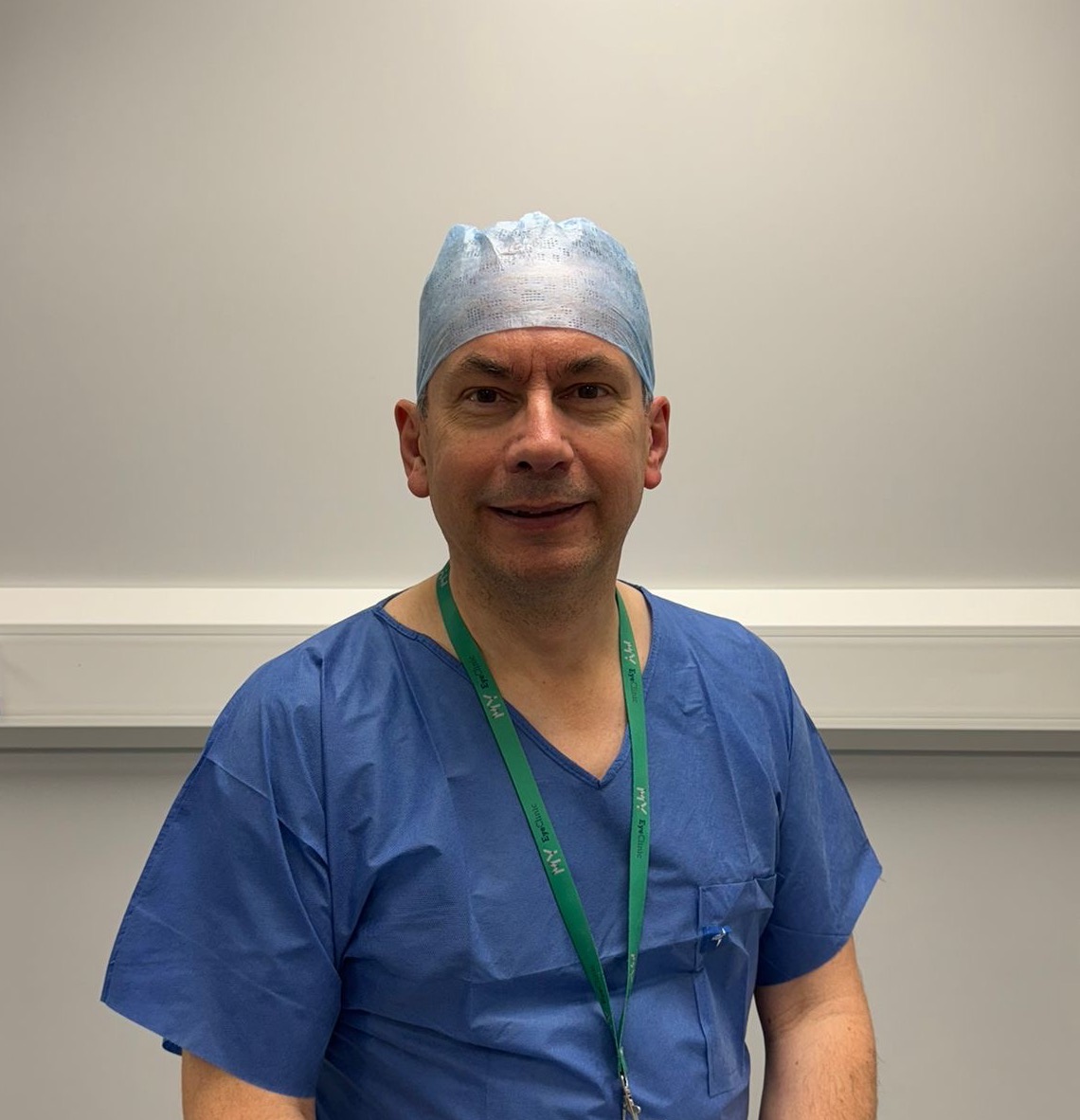
Hi, I’m Rob Boyce
After training as an engineer and research scientist, I pursued medicine at Nottingham University, followed by advanced ophthalmology training. With over 20 years as a Consultant Ophthalmologist specialising in Oculoplastic and Lacrimal Surgery, I’m committed to delivering the highest quality care at MY Eye Clinic, using cutting-edge techniques and patient-centred care.
Find out if you are suitable for vision correction
Vision correction isn’t suitable for everyone.
The first step is to take the self test so you can find out whether you can benefit.