
How long is cataract surgery recovery time?
If you are thinking about cataract surgery, you may wonder how long recovery takes. You may ask when your vision will improve and when you can return to normal life.
At My Eye Clinic in Gosforth, England, we understand these concerns. The good news is that most people recover quite quickly after cataract surgery. Many notice better vision within just a few days.
Let us explain what recovery is usually like and what you can expect after surgery.
What happens during cataract surgery?
Cataract surgery removes the cloudy lens inside your eye. This cloudy lens is replaced with a clear artificial lens.
The surgery is quick and usually takes less than 30 minutes. Most people go home the same day.
The new lens helps light pass through your eye clearly again, which can improve your vision.
What is recovery like on the first day?
Your eye may feel different
After surgery, your eye may feel slightly scratchy, watery, or sensitive to light. This is normal and usually settles quickly.
Your vision may still be blurry at first because your eye has just had surgery.
Resting after surgery
Most people rest at home on the day of surgery. It is important to avoid rubbing your eye and to follow all instructions from your clinic.
You will usually begin using eye drops straight away to help your eye heal.
How quickly does vision improve?
The first few days
Many people notice clearer vision within a few days. Colours may look brighter and more natural.
Things may seem sharper than before surgery.
The first few weeks
Your eye will continue healing over the next few weeks. Vision often becomes more stable during this time.
Small changes in vision are normal while the eye settles.
How long does full recovery take?
Most healing happens quickly
For many people, most of the healing happens within four to six weeks.
During this time, your eye adjusts to the new lens and any mild swelling settles down.
Everyone heals differently
Some people recover faster than others. Your overall health and eye condition can affect healing time.
Your clinic will monitor your progress during follow-up visits.
What activities should you avoid during recovery?
Protecting your eye
Your eye needs time to heal properly. For the first few weeks, you may be asked to avoid heavy lifting, swimming, and rubbing your eye.
These activities can increase the risk of irritation or infection.
Taking care during daily tasks
You should also be careful when washing your face or hair so that soap or water does not get into your eye.
Your clinic will explain how to protect your eye during recovery.
When can you drive again?
Waiting until vision is clear
You should not drive on the day of surgery. Your vision may still be blurry, and your eye needs time to settle.
Most people can return to driving within a few days if their vision meets the legal standard.
Getting professional advice
Your clinic will tell you when it is safe to drive again. Only drive when you feel comfortable and can see clearly.
When can you return to work?
Depends on your job
Some people return to work within a few days. Others may need a little longer.
This depends on the type of work you do.
Screen use and physical work
Office work may be easier to return to quickly. Jobs that involve heavy lifting, dust, or physical activity may require more recovery time.
Your clinic can guide you based on your situation.
What should you expect from your vision?
Vision may change during healing
Your vision may improve quickly, but it can still change a little during recovery.
Some people notice mild glare or halos around lights at first.
Long-term improvement
Most people enjoy clearer and brighter vision once healing is complete.
Daily activities like reading, driving, and watching TV often become much easier.
Why are eye drops important?
Helping your eye heal
Eye drops help reduce swelling and prevent infection after surgery.
It is very important to use them exactly as instructed.
Following the full course
Even if your eye feels better, you should continue the drops for the full time advised by your clinic.
This supports healthy healing.
Are follow-up visits needed?
Checking your recovery
Yes, follow-up appointments are an important part of recovery.
Your clinic will check that your eye is healing well and that your vision is improving.
Asking questions
These visits are also a good chance to ask questions and discuss any concerns.
At My Eye Clinic in Gosforth, we guide you through every stage of recovery.
What symptoms should you watch for?
Mild symptoms are normal
It is normal to have mild discomfort, watering, or blurry vision for a short time after surgery.
These symptoms usually improve quickly.
When to seek help
If you have severe pain, sudden vision loss, or strong redness, you should contact your clinic straight away.
These symptoms are rare but should always be checked.
What is life like after recovery?
Enjoying clearer vision
Most people are very happy with their results after cataract surgery. Colours often look brighter and details sharper.
Many people feel more confident in daily life.
Returning to normal activities
Once healing is complete, most people return to their normal routines with clearer vision and improved comfort.
Simple tasks may feel easier and more enjoyable again.
Take the next step
If cataracts are affecting your vision, you do not have to keep struggling with blurry sight.
Take our suitability self test today. It is quick and easy to complete. It can help you see if you may be a good fit for cataract treatment.
Cataract surgery recovery is usually smooth and quick for most people. With the right care and support, you can enjoy clearer vision and get back to daily life with confidence.
Find out if you are suitable for vision correction
Vision correction isn’t suitable for everyone.
The first step is to take the self test so you can find out whether you can benefit.
Our most popular procedures
What our patients say…
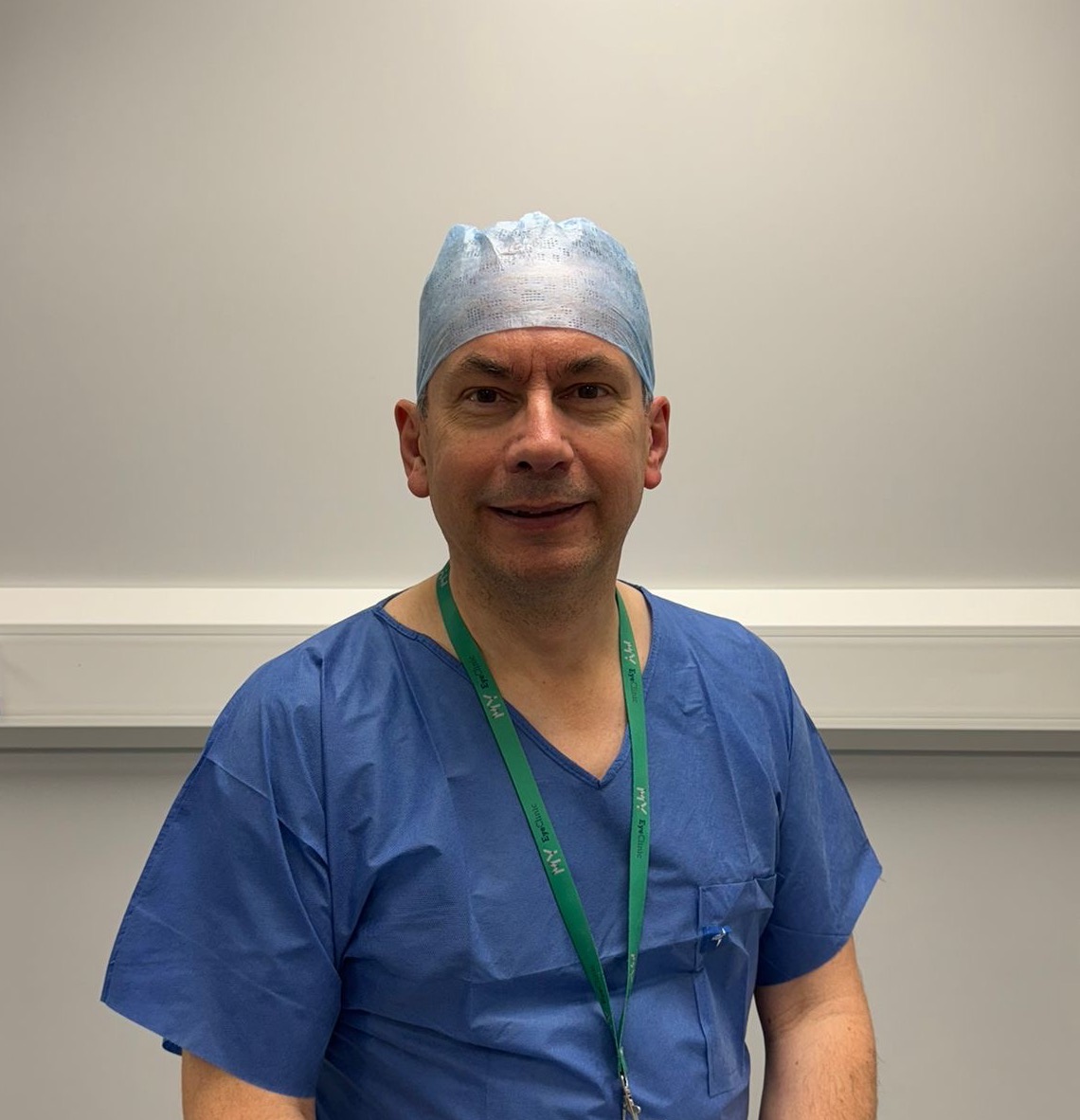
Hi, I’m Rob Boyce
After training as an engineer and research scientist, I pursued medicine at Nottingham University, followed by advanced ophthalmology training. With over 20 years as a Consultant Ophthalmologist specialising in Oculoplastic and Lacrimal Surgery, I’m committed to delivering the highest quality care at MY Eye Clinic, using cutting-edge techniques and patient-centred care.