How long does laser eye surgery take?
If you are thinking about laser eye surgery, you may be wondering how long the procedure takes and how soon you can get back to your normal routine.
The good news is that the laser treatment itself is usually very quick. However, you will need time for your checks before surgery and for your care team to explain your aftercare.
The full appointment often takes around one to two hours, but the exact time can vary. Your recovery also depends on the type of treatment you have and how your eyes heal.
Laser eye surgery can reduce your need for glasses and contact lenses. Before deciding if it is right for you, it helps to understand what happens on the day and what to expect afterwards.
How long does the laser eye surgery procedure take?
The laser treatment itself often takes only a few minutes per eye. The full procedure takes longer because your surgeon needs to prepare your eyes and carry out safety checks.
The time also depends on the type of refractive surgery you have. LASIK, LASEK and TransPRK all aim to improve how light focuses inside the eye, but they work in different ways.
How long does LASIK take?
LASIK is a common type of laser eye surgery. The surgeon creates a thin flap in the cornea, then uses a laser to reshape the tissue underneath. The flap is placed back in position afterwards.
The laser part often takes less than a minute per eye. The full procedure usually takes around 10 to 15 minutes for both eyes, although this can vary.
Many people find that LASIK has a short recovery period. However, your vision may still be blurry at first, and you will need to follow your aftercare instructions.
How long does LASEK take?
LASEK is a surface-based treatment. Instead of creating a flap, the surgeon works with the thin outer layer of the cornea before reshaping the tissue underneath.
The laser treatment is quick, but the full procedure may take longer than LASIK. Your surgeon will explain how much time to allow for your appointment.
Because the outer layer needs to heal, recovery often takes longer than it does after LASIK.
How long does TransPRK take?
TransPRK is another surface treatment. The laser removes the outer layer of the cornea and reshapes it during the same procedure.
The treatment itself is usually brief, but your eye needs time to heal afterwards. You may have some discomfort and blurry vision during the first few days.
Your surgeon will explain what to expect based on your eyes and the treatment plan.
How long will you be at the clinic?
Although the laser treatment is quick, you should allow more time for the full visit.
Before surgery, your care team may check your details, review your eye health and confirm that you are ready for treatment. Your surgeon will explain the procedure and answer any final questions.
You will then have the treatment, followed by a short rest and aftercare advice. Your team will explain how to use your eye drops and when to attend your follow-up appointment.
Many patients spend around one to two hours at the clinic, but the exact time depends on the clinic's process and your treatment.
You should arrange for someone to take you home. Your vision may not be clear enough to drive safely after surgery.
How long does recovery take?
The recovery time depends on the type of laser eye surgery you have, as well as your eye health and how quickly your eyes heal.
After LASIK, many people notice clearer vision within a day or two. After LASEK or TransPRK, it may take several days for vision to improve because the surface of the eye needs to heal.
Your vision may continue to settle over the following weeks. Some people also notice glare, halos around lights or dry eyes during recovery.
Your surgeon will tell you when you can return to driving, work and other daily activities. Do not drive until your vision meets the legal standard and you feel safe to do so.
When can you return to work?
The time you need away from work will depend on your treatment and the kind of work you do.
After LASIK, some people can return to work within a day or two if their vision is clear enough and they feel comfortable. After LASEK or TransPRK, you may need several days or longer.
If your job involves long hours at a screen, dusty areas or physical work, your recovery needs may be different. Ask your care team when it is safe to return to your usual duties.
What can affect your recovery?
Your recovery can be affected by your eye health, your prescription and any existing eye conditions. Your surgeon will check your eyes before treatment to see whether laser surgery is suitable.
You may be given eye drops to help your eyes heal and manage dryness. Use them as directed, and follow all aftercare advice.
You should avoid rubbing your eyes while they heal. Your surgeon may also advise you to avoid swimming, strenuous exercise and contact sports for a set period.
Do not rush back into activities just because your vision seems better. Your eyes still need time to recover.
Will laser eye surgery last long term?
Laser eye surgery can provide long-term changes to your vision, but it cannot stop your eyes from changing naturally as you age.
For example, many people find that reading glasses become useful from around their 40s as the natural lens inside the eye becomes less flexible. This age-related change is called presbyopia, and it can happen even if you have had successful laser eye surgery.
Your prescription may also change over time. Laser eye surgery does not prevent all future vision problems or eye conditions, so routine eye checks remain important.
It is also important to understand that laser surgery does not guarantee perfect vision or remove the risk of future vision loss from other eye conditions.
Can laser eye surgery reduce your need for glasses?
For many suitable people, laser eye surgery can reduce their need for glasses and contact lenses for distance vision. The aim is to change the shape of the cornea so that light focuses more clearly.
However, the results vary. Some people may still need glasses for certain tasks, and reading glasses may be needed later in life due to natural age-related changes.
Your surgeon will explain what results may be realistic for your prescription and eye health.
Is laser eye surgery right for you?
Laser eye surgery is a quick procedure, but choosing the right treatment involves more than looking at how long the laser takes. Your eye health, prescription, corneal shape and lifestyle all matter.
A full assessment can help determine whether LASIK, LASEK or TransPRK may be suitable for you. It also gives you a chance to discuss the benefits, risks and expected recovery time.
At My Eye Clinic in Gosforth, we can help you explore your options and understand the next steps.
If you would like to find out whether you may be suitable, take our free vision correction suitability self-test. It is a simple first step towards learning more about your options.
Your best vision could still be ahead of you.
Find out if you are suitable for vision correction
Vision correction isn’t suitable for everyone.
The first step is to take the self test so you can find out whether you can benefit.
Our most popular procedures
What our patients say…
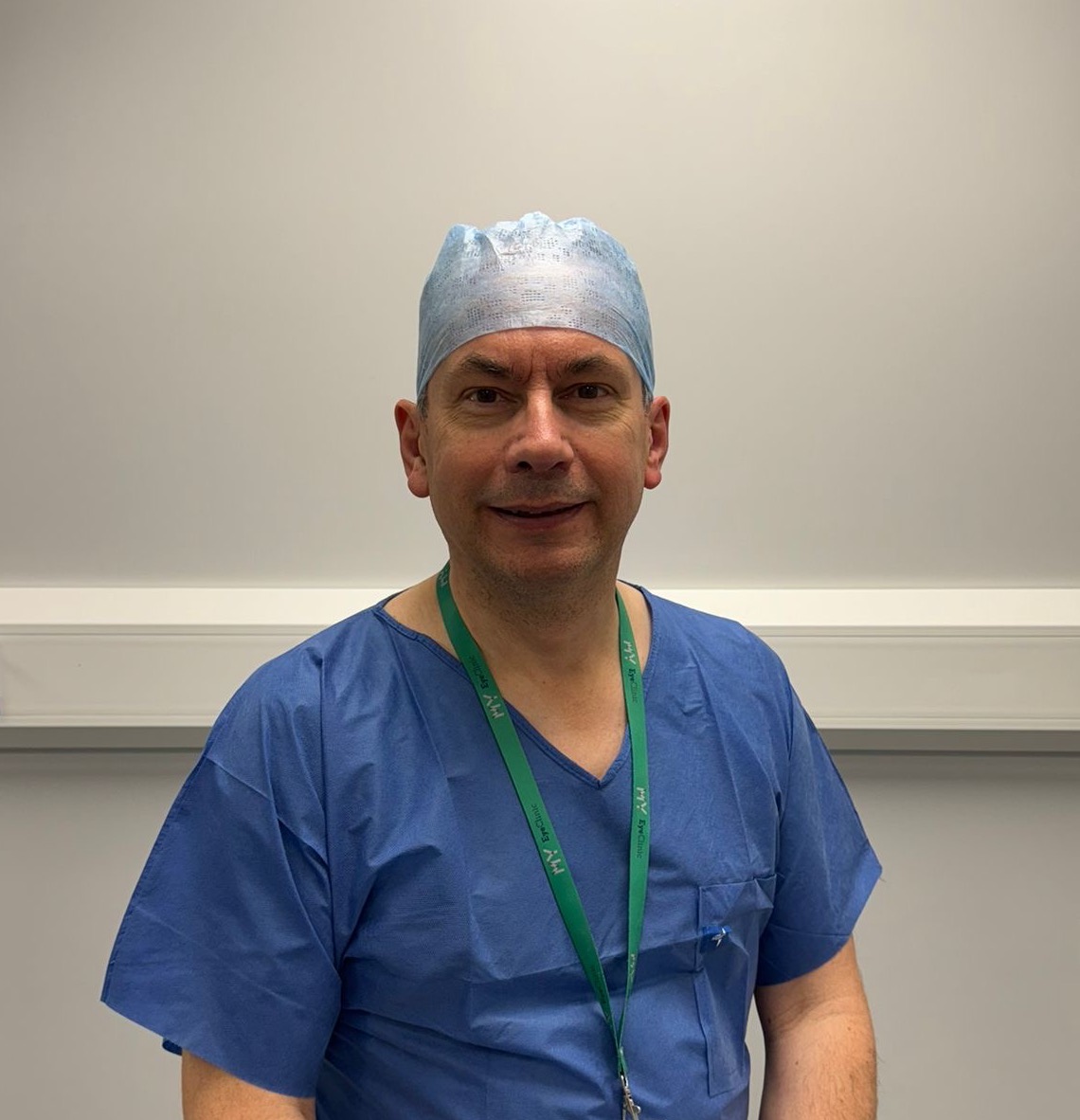
Hi, I’m Rob Boyce
After training as an engineer and research scientist, I pursued medicine at Nottingham University, followed by advanced ophthalmology training. With over 20 years as a Consultant Ophthalmologist specialising in Oculoplastic and Lacrimal Surgery, I’m committed to delivering the highest quality care at MY Eye Clinic, using cutting-edge techniques and patient-centred care.